












Business Analytics Explained
Price range: $49 through $197

★★★★★ (4.93)
Loved by our amazing community
How to run a business on evidence instead of instinct, even when the data is messy, the dashboards lie, and the deadline is now, explained chapter by chapter across 111 pages of usable knowledge.
- Master proven frameworks including the DIKW Pyramid, the four analytics types, the North Star Metric framework, and Bayesian decision-making
- Use practical tools like the data quality audit, the question framing matrix, root cause analysis, and the analytics decision chain
- Learn from real failure patterns where dashboards mislead, vanity metrics dominate, and correlation gets confused for causation
- Diagnose where your analytics actually breaks down, from data quality at the source to insight that never reaches a decision
AS FEATURED IN


Choose one of the options:
OR SAVE $4764 TODAY

 Risk-free Purchase: Full refund within 14 days
 Paddle Safe Checkout
Risk-free: Full refund within 14 days
Paddle Safe Checkout





About Business Analytics Explained
Whether you are a founder, an executive, or an operator responsible for making decisions that move the business, this book gives you the frameworks to turn data into action with clarity and confidence.
This eBook walks you through how companies actually use analytics to make better decisions, from asking the right questions and auditing data quality to identifying root causes, applying predictive models, and embedding insight into the weekly decision rhythm. It covers analytics for enterprises and small businesses alike, not just companies with data teams and dedicated warehouses.
Covering decision framing, data quality, customer and financial analytics, predictive modeling, AI-powered analytics, and execution, it ensures you can build an analytics system that survives messy data, vanity metrics, and the pressure to decide before the numbers are ready. With real failure patterns and ready-to-use frameworks, this eBook becomes the go-to reference you reach for every time a decision needs evidence behind it.
Table of contents 
-
Chapter 1: Why Analytics Fails and the Traps That Follow
- The Core Failure: Data Everywhere, Decisions Still Running On Instinct
- Reporting vs. Real Analysis: Why Producing Numbers Is Not The Same As Producing Insight
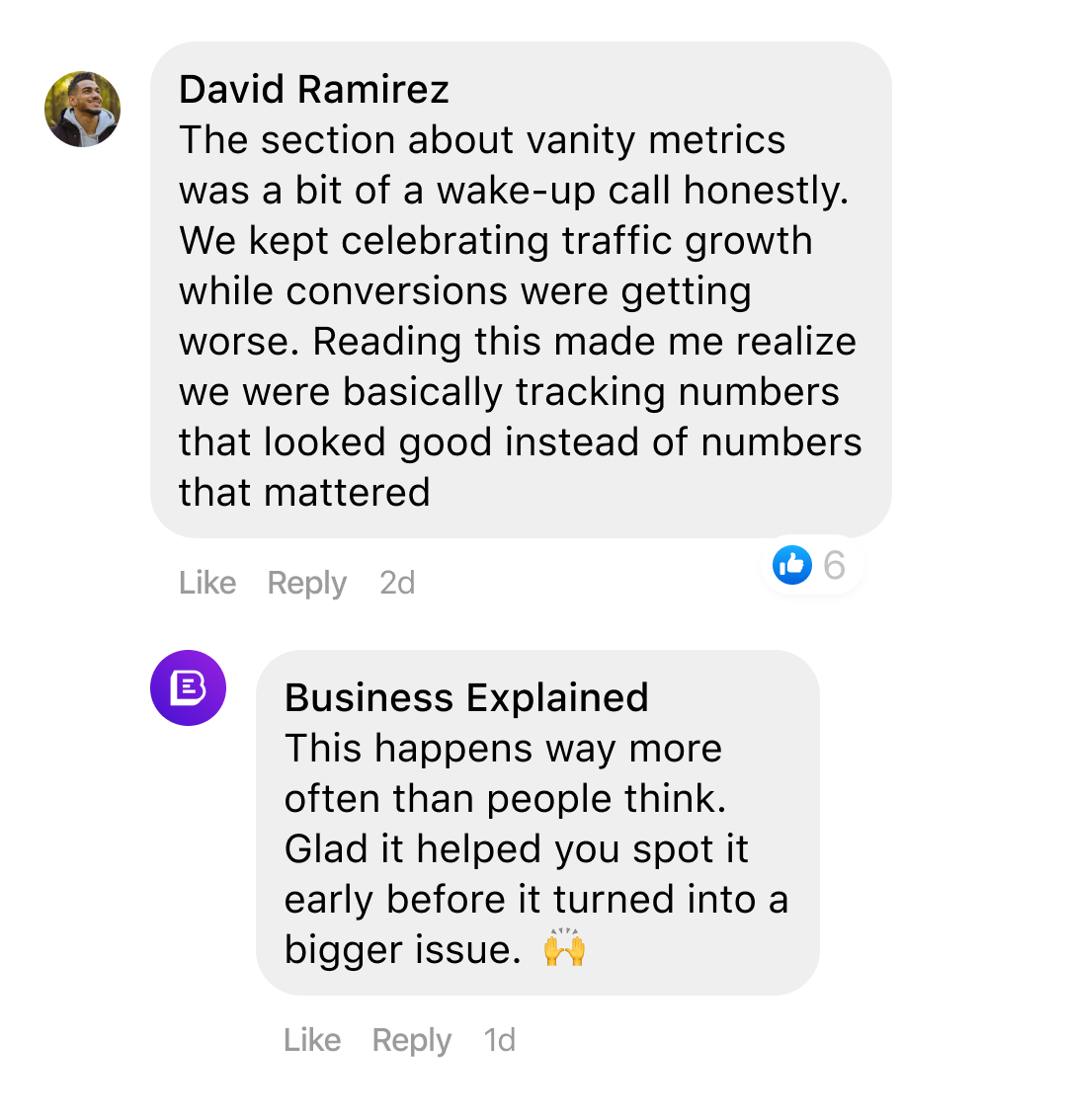
- Vanity Metrics: The Measurements That Feel Good And Change Nothing
- Why Dashboards Lie: The Gap Between What The Visualization Shows And What The Business Needs To Know
- The Four Mid-Journey Traps: Overanalysis, False Precision, Tool Obsession, And Ignoring Business Context
- Why More Data Without Better Questions Makes Decisions Worse, Not Better
- The Only Definition That Matters: Turning Data Into Decisions That Change Outcomes
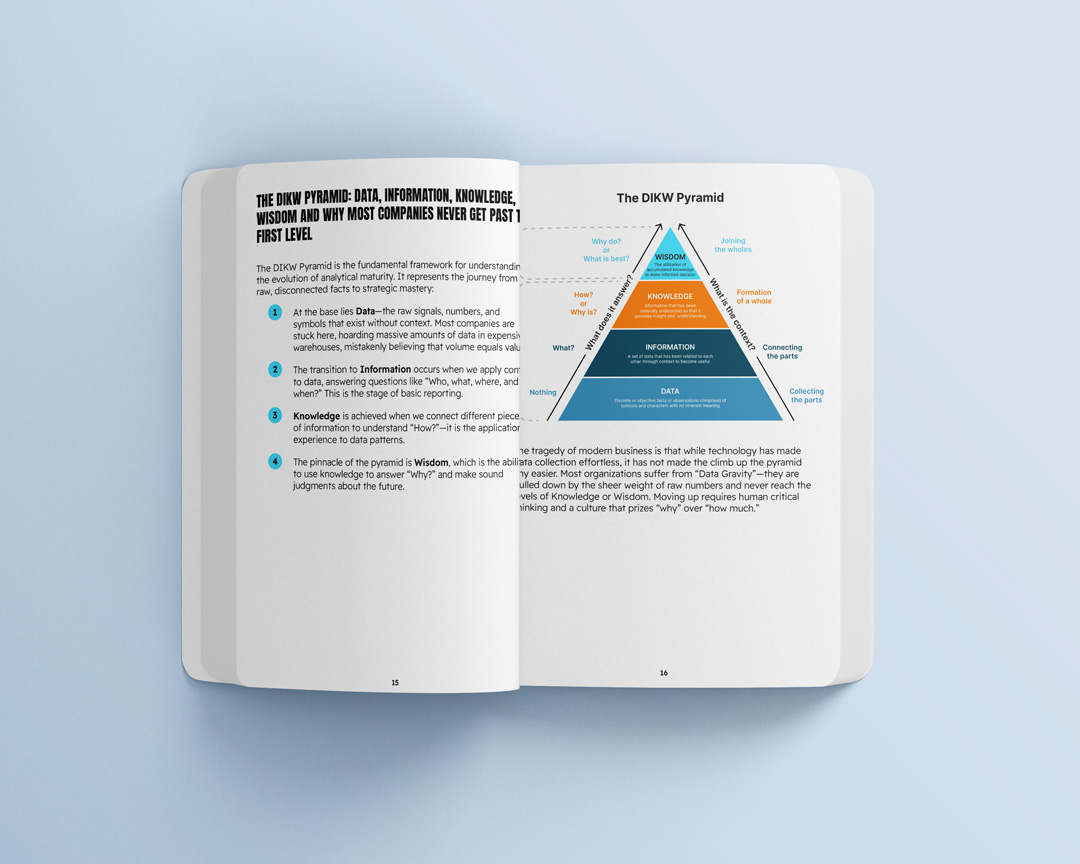
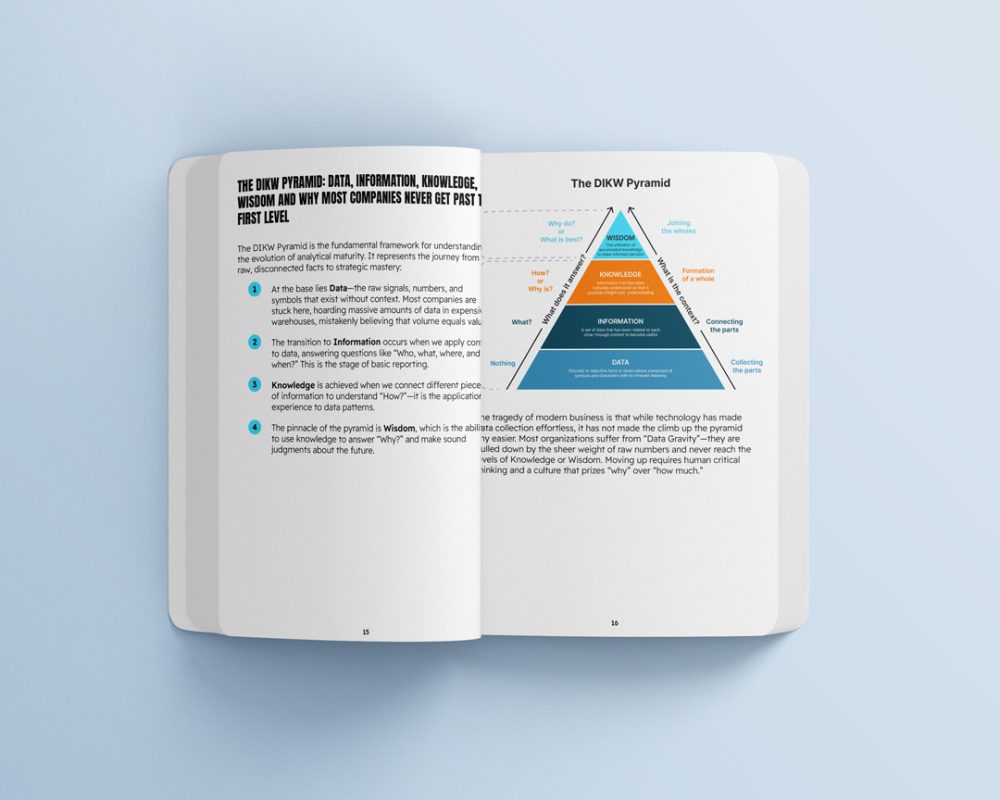
- The DIKW Pyramid: Data, Information, Knowledge, Wisdom And Why Most Companies Never Get Past The First Level
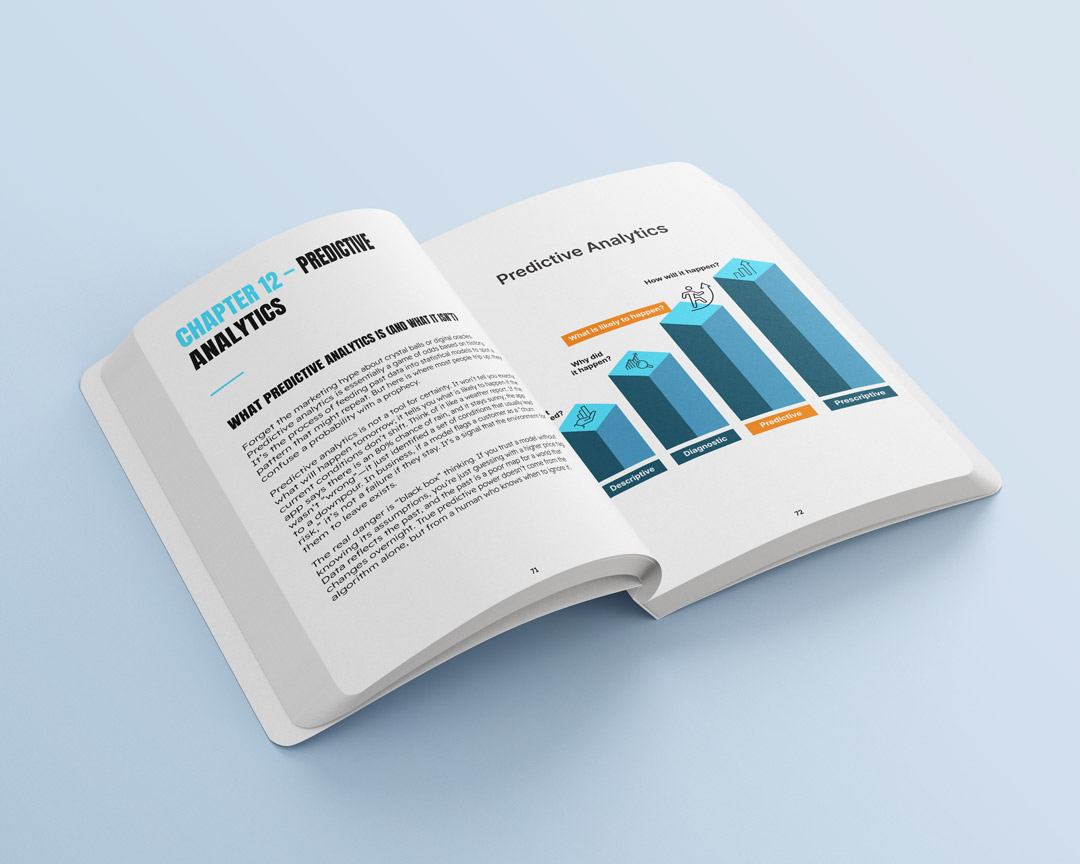
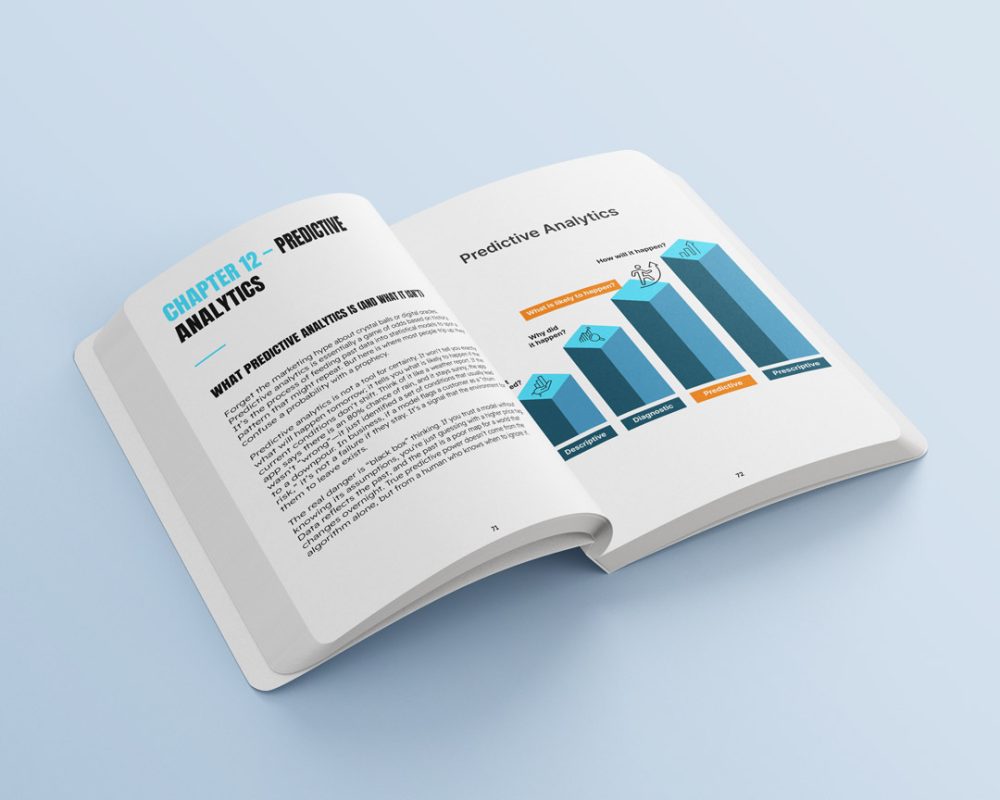
- The Four Analytics Types: Descriptive, Diagnostic, Predictive, Prescriptive And Where Most Companies Stop
- The Decision Chain: Data To Insight To Decision To Action And What Breaks At Each Transition
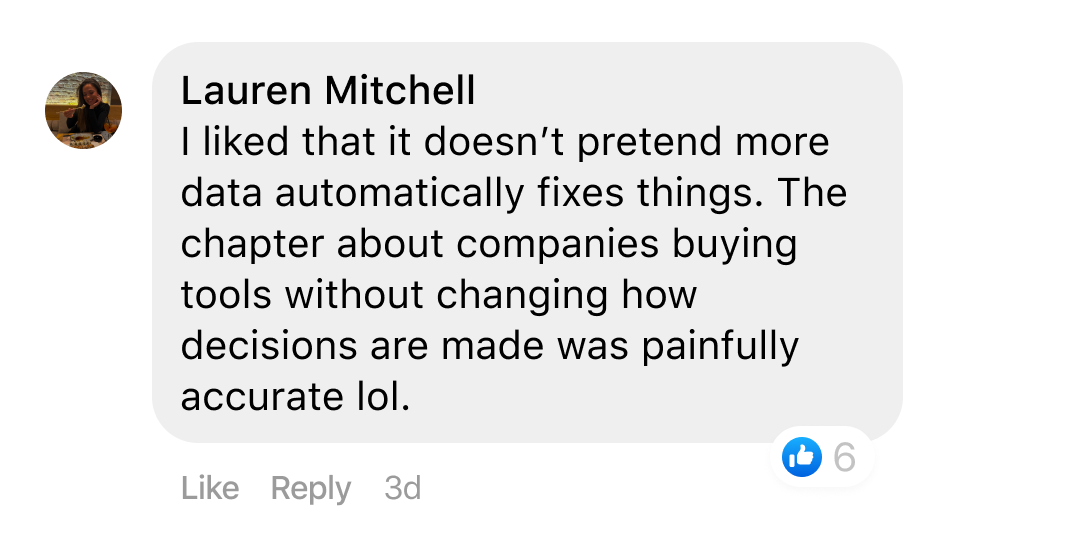
- Analytics As A System, Not A Tool: Why Software Purchases Without Process Changes Produce Nothing
- Why The Quality Of The Question Determines The Value Of The Analysis Before Any Data Is Touched
- Starting With The Decision: Defining What Needs To Be Decided Before Defining What Needs To Be Measured
- The Problem Framing Test: Three Signs Your Analytics Question Is Too Vague To Produce A Useful Answer
- How To Reframe “What Does The Data Show” Into “What Decision Does This Data Need To Support”
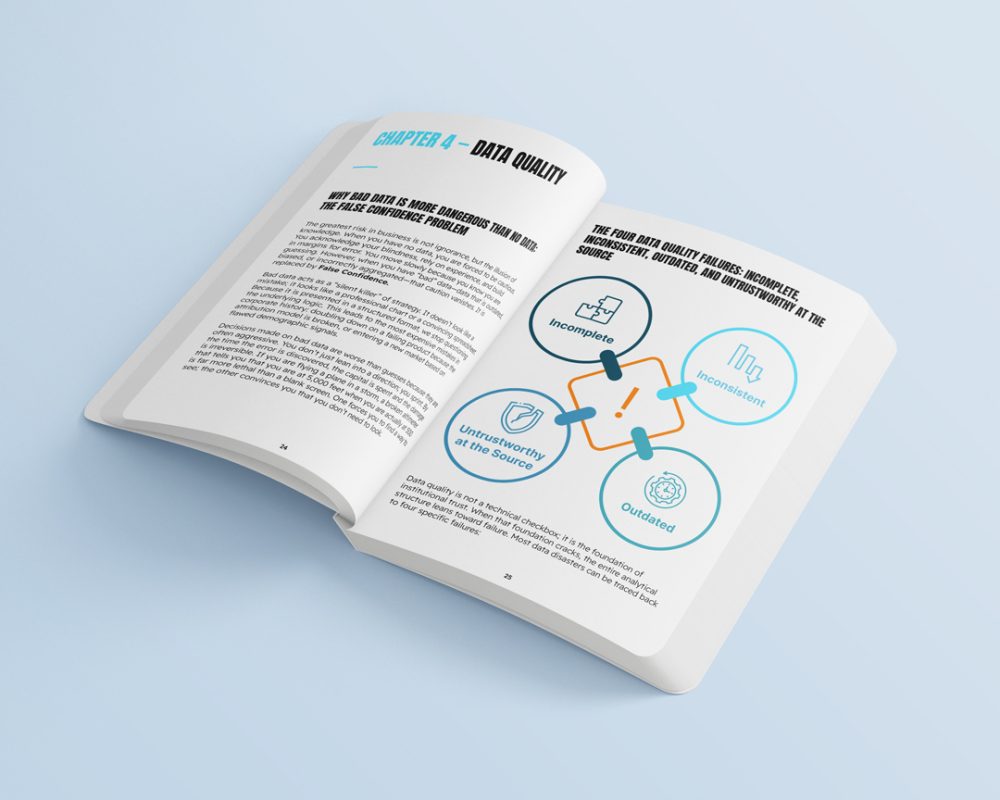
- Why Bad Data Is More Dangerous Than No Data: The False Confidence Problem
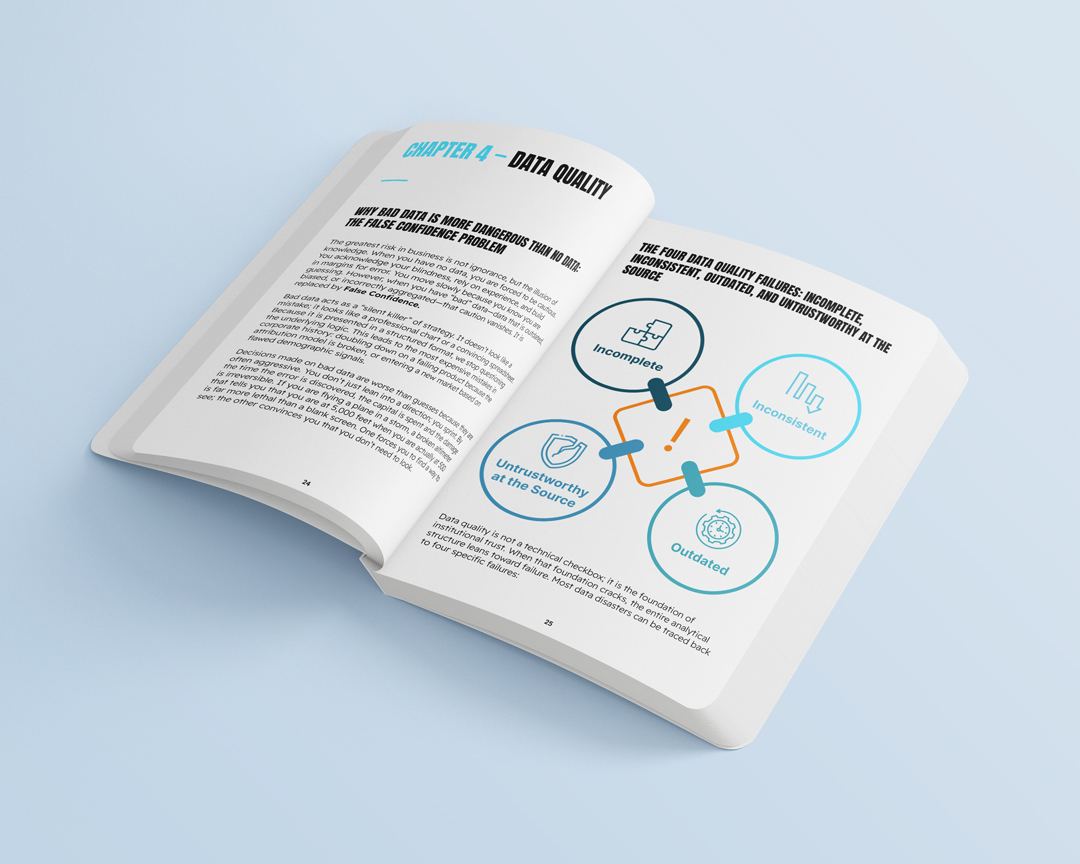
- The Four Data Quality Failures: Incomplete, Inconsistent, Outdated, And Untrustworthy At The Source
- How To Audit Your Current Data Before Building Any Analytics System On Top Of It
- The Data Quality Minimum: What Good Enough Looks Like Before Analysis Is Worth Running
- When To Fix The Data And When To Acknowledge Its Limits Inside The Decision It Informs
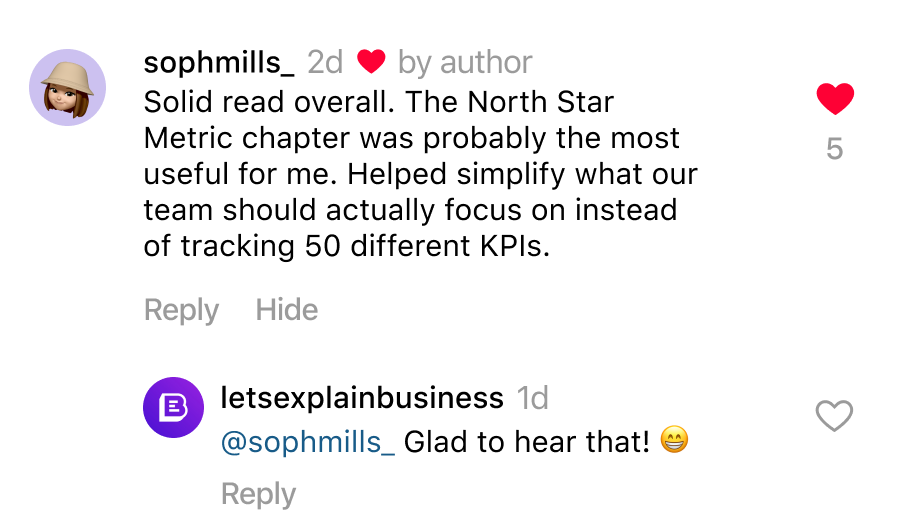
- What A North Star Metric Is: The Single Number That Best Captures The Value Your Business Delivers
- Why Companies With Too Many Top-Level Metrics Make Slower Decisions And Build Misaligned Teams
- How To Identify Your North Star: The Three Criteria It Must Meet To Qualify
- The Relationship Between The North Star And Supporting Metrics: What Feeds It And What It Should Not Include
- When The North Star Becomes The Wrong Metric And How To Know It Is Time To Change It
- The Core Principle: Analytics That Explains What Happened Without Explaining Why Is Incomplete
- The Five Methods: The 5 Whys, Fishbone Diagram, Fault Tree Analysis, Pareto Analysis, And Change Analysis
- How To Choose The Right Method Based On Problem Complexity And Available Data
- The Depth Problem: Why Most Root Cause Analysis Stops One Level Too Early And Fixes The Symptom
- From Root Cause To Decision: Translating The Finding Into A Change That Prevents Recurrence
- Why Most Business Insights Drawn From Data Are Directionally Wrong
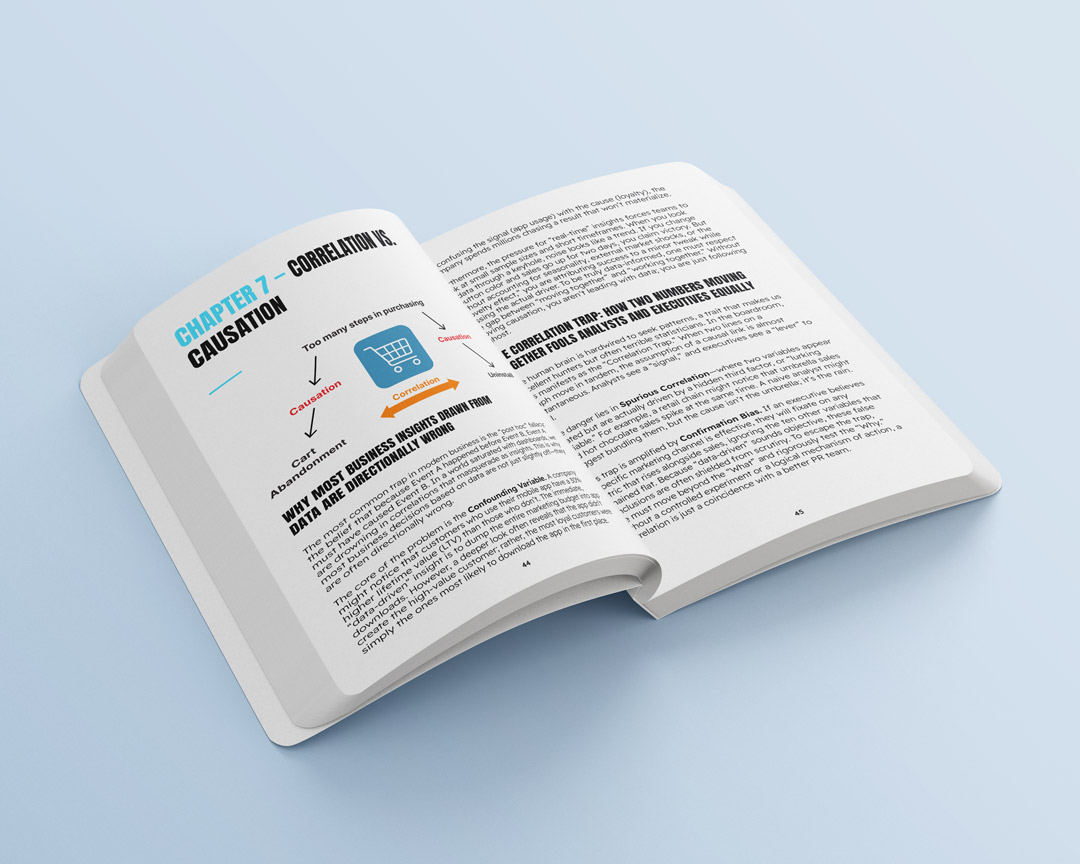
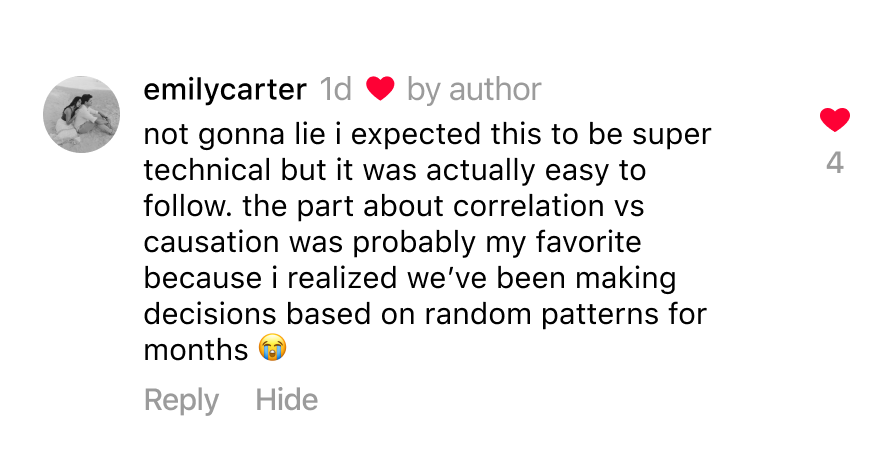
- The Correlation Trap: How Two Numbers Moving Together Fools Analysts And Executives Equally
- Three Tests For Causation: Temporal Precedence, Covariation, And Ruling Out Alternative Explanations
- How To Present Uncertain Findings Honestly Without Killing Confidence In The Analysis
- The Business Cost Of Acting On Correlation As If It Were Causation
- Why Waiting For Certainty Before Deciding Is Itself A Decision, Usually The Wrong One
- The Bayesian Core: Start With A Prior Belief, Update It As New Data Arrives, Decide With What You Have
- How To Apply Bayesian Thinking Without The Mathematics: The Practical Business Version
- Where Bayesian Thinking Beats Traditional Analysis: Fast-Moving Markets, Limited Data, High-Stakes Bets
- The Update Discipline: How To Build A Team Habit Of Revising Conclusions When Evidence Changes
- Why Most Dashboards Are Built For The Person Who Built Them, Not The Person Who Decides
- The Three Chart Types That Clarify And The Three That Consistently Mislead
- The Decision-Maker Test: If The Visualization Does Not Immediately Suggest An Action, It Is Not Finished
- How To Strip A Dashboard To The Minimum That Changes Decisions And Nothing More
- The Difference Between A Report Someone Reads And An Insight Someone Acts On
- The Four Customer Metrics That Actually Explain Business Health: Acquisition Cost, Conversion Rate, Lifetime Value, And Churn Rate
- Segmentation: How To Split Customers Into Groups Where The Behavior Is Different Enough To Change The Decision
- Cohort Analysis: Tracking Customer Groups Over Time To Find What Aggregate Reporting Hides
- Churn Prediction: The Leading Indicators That Appear Before A Customer Leaves And What To Do With Them
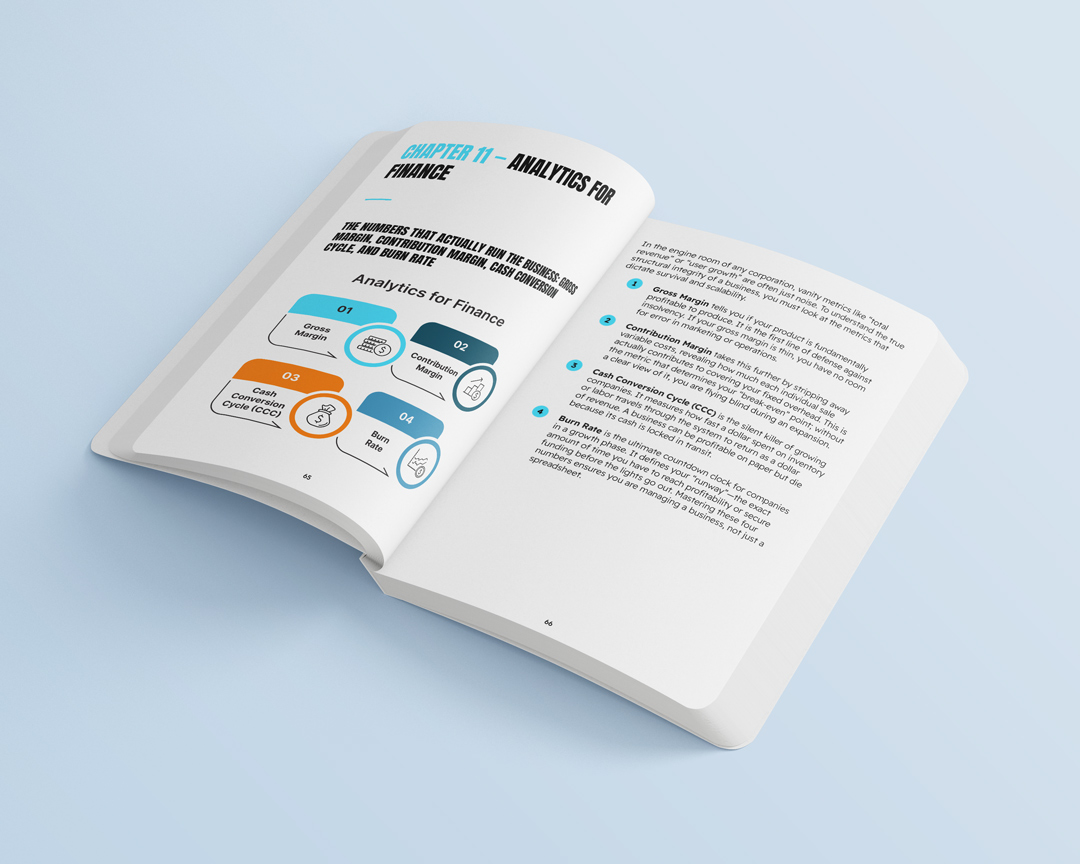
- The Numbers That Actually Run The Business: Gross Margin, Contribution Margin, Cash Conversion Cycle, And Burn Rate
- Why Financial Reporting Looks Backwards And How To Build Forward-Looking Indicators From The Same Data
- Cost Analytics: Finding Where Money Is Spent vs. Where It Creates Value
- The Unit Economics Test: The One Calculation That Tells You Whether The Business Model Works At Scale
- How To Connect Financial Analytics To Operational Decisions Rather Than Leaving Them In The CFO’s Deck
- What Predictive Analytics Is (And What It Isn’t)
- The Four Business Use Cases Where Prediction Adds The Most Value: Demand Forecasting, Churn, Pricing, And Risk
- Scenario Planning Without Overcomplicating: How To Build Three Futures And Assign Probabilities To Each
- Where Predictive Models Fail: The Assumptions That Break When The Environment Changes
- How To Present A Prediction To A Decision-Maker Who Does Not Trust Models
- What Actually Changed In The AI Analytics Market, And The Five Things Vendors Only Pretend Changed
- The New Definition: From “ML Models That Predict” To “AI Systems That Ask, Analyze, Decide, And Explain”
- Conversational Analytics: Why Dashboards Are Losing Ground To Natural Language As The Executive Interface
- Agentic Analytics: AI Agents That Run Analysis Loops, Surface Anomalies, And Propose Decisions On Their Own
- Causal AI: The Move From Correlation To Cause And Effect, And Why Explainability Is Now Competitive
- The Hallucination Problem: The Most Underdiscussed Risk In Enterprise AI, And The Validation Discipline Every Team Needs
- The 2026 Analytics Stack: The Tool Categories That Did Not Exist Three Years Ago, And Where To Start Without Overspending
- Synthetic Data: How Generative AI Is Closing The Analytics Gap For Data-Poor Businesses
- The Three AI Applications Worth Deploying Now, By Company Stage
- The Skill Shift: Why Knowing How To Write A Query Is Fading, And The Two Skills Replacing It
- The Validation Discipline: The Four-Step Check Every AI Insight Should Pass Before It Informs A Decision
- The Vendor Evaluation Framework: The Five Questions To Ask Any AI Analytics Platform Before Signing
- The Strategic Question Every Leader Must Answer: Is AI A Multiplier On Your Analytics Function, Or A Replacement For Parts Of It
- Why Most Analytics Advice Assumes A Data Team, A Data Warehouse, And A Budget That Most Businesses Do Not Have
- The Small Business Analytics Starting Point: Three Decisions That Repeat Every Week And The Data That Should Be Informing Each One
- How To Build A Decision-Grade Analytics System With A Spreadsheet, One Dashboard, And No Analysts
- The Five Metrics Every Small Business Must Track Before Adding Any Others
- Customer Analytics At Small Scale: How To Understand Buyer Behavior Without Enterprise Tools Or A CRM Team
- Financial Analytics For Operators: The Four Numbers That Tell You Whether The Business Is Healthy Before The Accountant Does
- The Small Business AI Opportunity: The Three AI-Powered Analytics Tools That Are Accessible Now And Change Daily Decisions Immediately
- How To Build The Habit: Embedding Analytics Into Weekly Decisions Without Making It A Separate Exercise
- The Analytics Audit: A Structured Diagnostic Of Your Current Metrics, Data Quality, And Decision-Making Gaps
- Step 1: Define Your North Star Metric And Test It Against The Three Qualifying Criteria
- Step 2: Map Your Top-Level Metric Down To The Drivers Your Team Can Actually Influence
- Step 3: Run The Data Quality Audit And Fix The Foundation Before Building Anything On Top Of It
- Step 4: Map Your Top Five Decisions To The Data They Currently Use And The Data They Should Be Using
- Step 5: Embed Analytics Into Your Weekly Decision Rhythm So Insight Produces Action, Not Just Reports
- The 30-Day Quick Wins
- The 60-Day Foundations
- The 90-Day Build
- One-Page Analytics System Summary Template
Chapter 2: What Business Analytics Actually Means
Chapter 3: Asking The Right Questions
Chapter 4: Data Quality
Chapter 5: The North Star Metric Framework
Chapter 6: Root Cause Analysis
Chapter 7: Correlation vs. Causation
Chapter 8: Bayesian Thinking
Chapter 9: Visualization That Reveals Truth
Chapter 10: Customer Analytics
Chapter 11: Analytics For Finance
Chapter 12: Predictive Analytics
Chapter 13: AI-Powered Analytics
Chapter 14: Analytics For Small Businesses
Chapter 15: Building Your Analytics System







69 Products Included
All Products Special
Order our bestselling business bundle now and save a whopping $4,764 compared to buying each product separately.
Get all 69 Products for just $197 
 Risk-free Purchase: Full refund within 14 days
Safe Checkout Powered by 


This is our LOWEST PRICE EVER - don’t miss out!
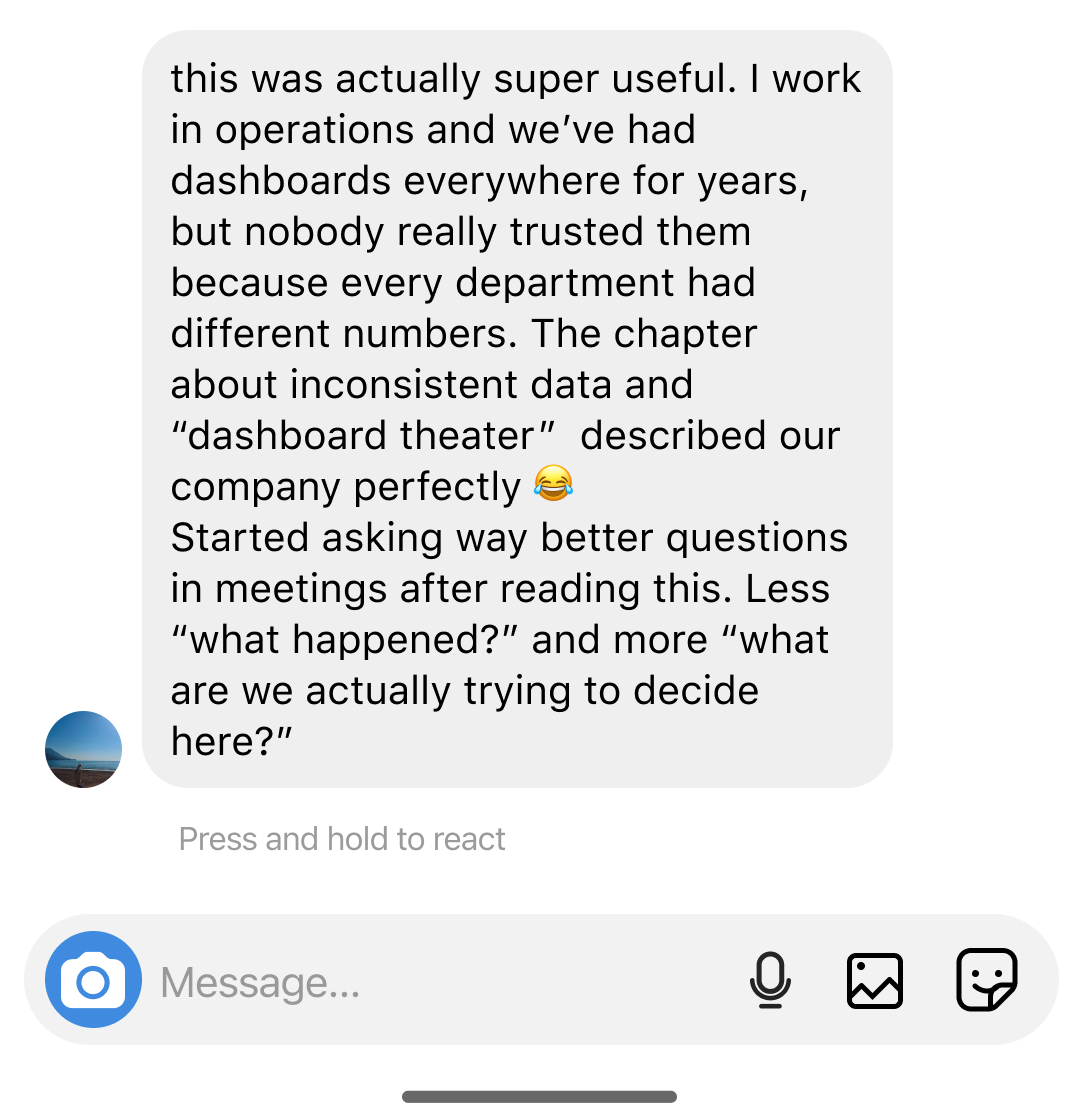
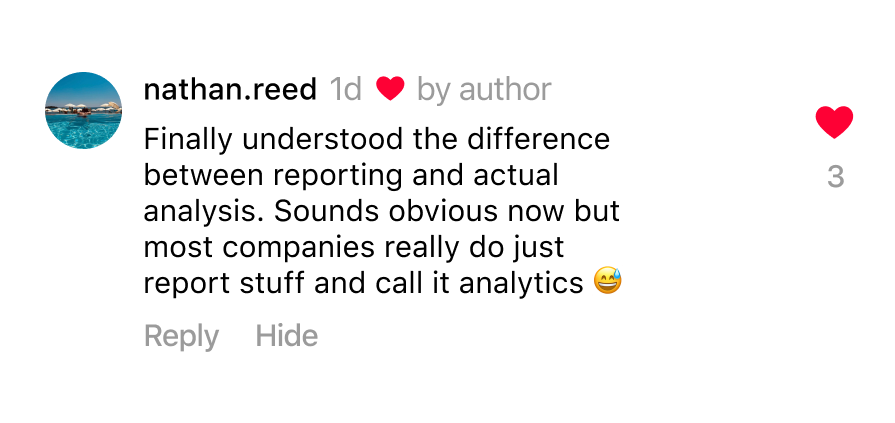
Testimonials 
99.35%
Exceptional feedback from our Success Blueprints readers 
Prime Fall Sale 

ultimate offer
All Products Special
$197 $347
You get all 69 eBooks, Checklists and Tools!
Risk-free Purchase: Full refund within 14 days
Paddle Safe Checkout

Bundle: Success Blueprints
$129 $549
You get all 10 of our high-quality eBooks!
Risk-free Purchase: Full refund within 14 days
Paddle Safe Checkout
 Lowest Price Ever!