




Management Control Systems Explained
Price range: $49 through $197

★★★★★ (4.88)
Loved by our amazing community
Strategy is easy. Getting your company to actually follow through is the hard part. This eBook gives you the control systems to make it happen, explained system by system across 141 pages of usable knowledge.
- How to translate strategy into controlled execution, from setting targets to correcting course
- Master proven systems including Simons’ Levers of Control, Hoshin Kanri, Variance Analysis, and EVA
- Use practical tools like KPI driver trees, the Incentive Alignment Matrix, and the control tightness spectrum
- Learn from real patterns where metrics got gamed, accountability collapsed, and execution quietly drifted
AS FEATURED IN


Choose one of the options:
OR SAVE $4764 TODAY

 Risk-free Purchase: Full refund within 14 days
 Paddle Safe Checkout
Risk-free: Full refund within 14 days
Paddle Safe Checkout





About Decision Models Explained
Whether you are a business owner, a senior manager, or an operator responsible for making strategy actually happen, this book gives you the systems to close the gap between intent and action.
This eBook walks you through how companies maintain control after the plan is set, from building feedback loops and assigning accountability to measuring performance without distorting behavior. It presents 14 proven control systems used to align metrics, incentives, and actions across every level of the organization.
Covering planning, measurement, incentive design, risk defense, and implementation, it ensures you can install discipline that holds even when people don’t. With real gaming patterns and ready-to-use frameworks, this eBook becomes the go-to reference you reach for every time execution starts to drift.
Table of contents 
- The Gap Between Strategy And Execution
- What Management Control Actually Means (And What It Doesn’t)
- The Three Silent Killers: Drift, Gaming, And Misalignment
- Why Dashboards Lie And Reports Hide The Truth
- Why Culture Alone Can’t Hold
- The Four Levers: Belief Systems, Boundary Systems, Diagnostic Controls, Interactive Controls
- How The Levers Work Together And What Breaks When One Is Missing
- Matching The Right Lever To The Right Situation
- Quick Audit: Which Levers Are Strong And Which Are Absent In Your Company
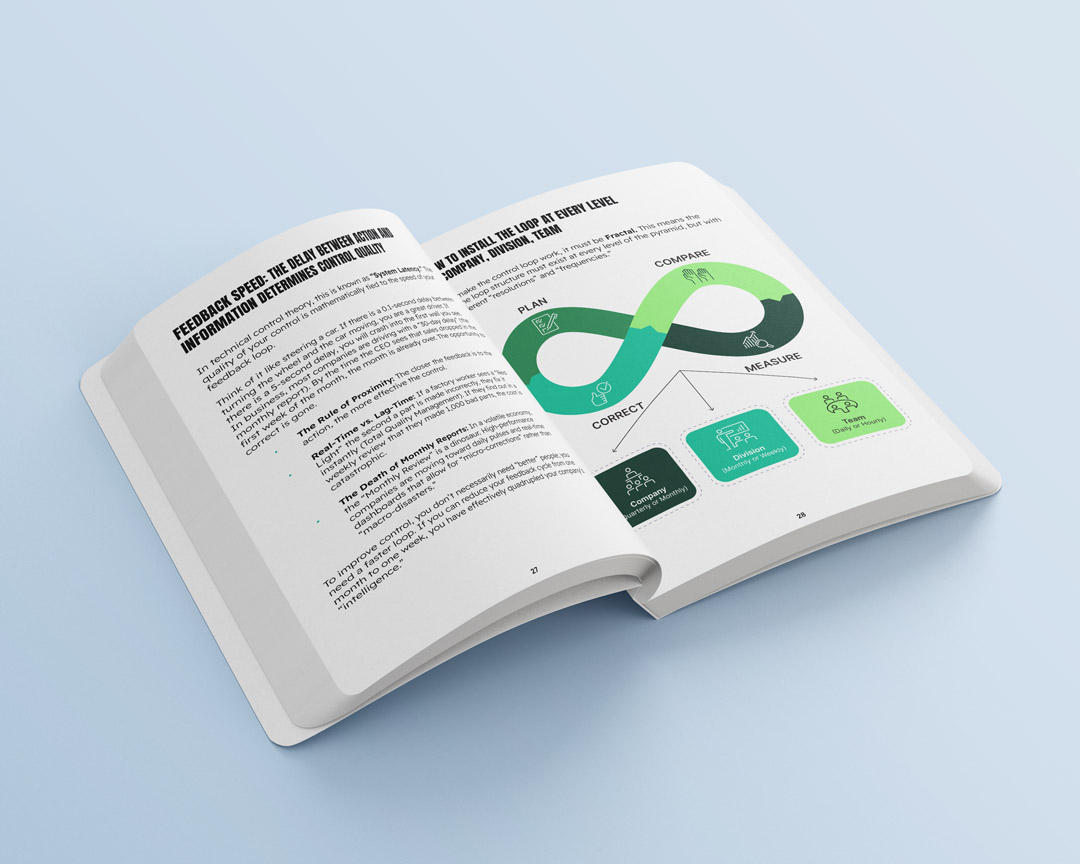
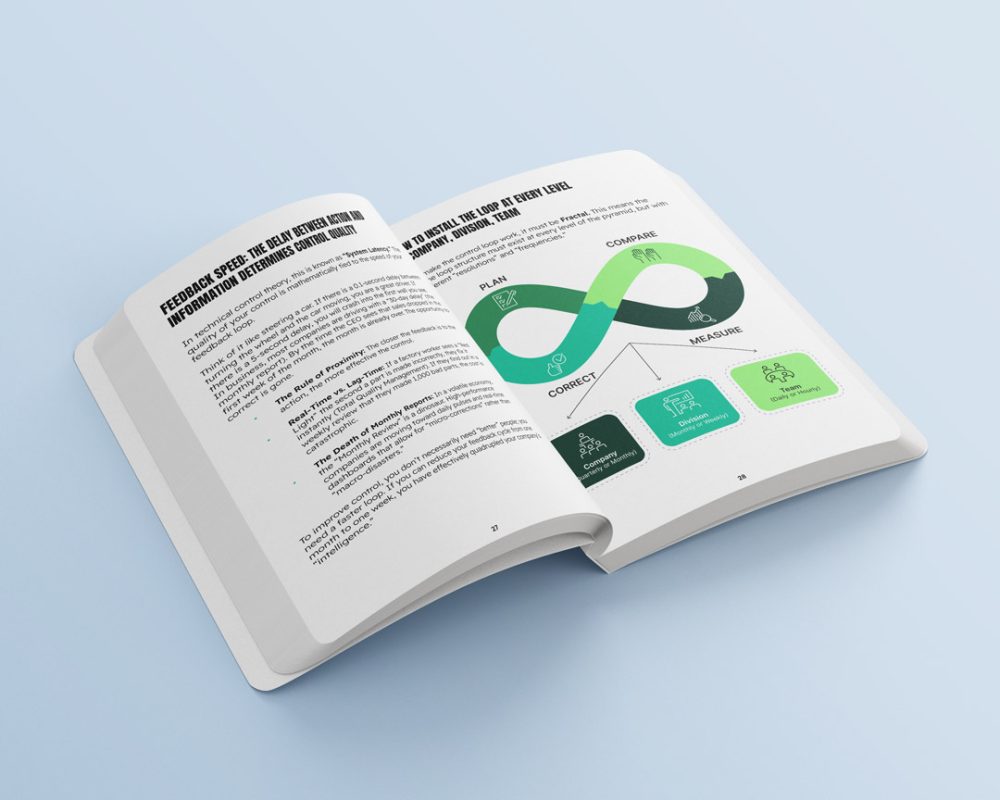
- The Foundational Cycle: Plan, Measure, Compare, Correct, Repeat
- Where Most Companies Break The Loop (And Why They Don’t Notice)
- Feedback Speed: The Delay Between Action And Information Determines Control Quality
- How To Install The Loop At Every Level
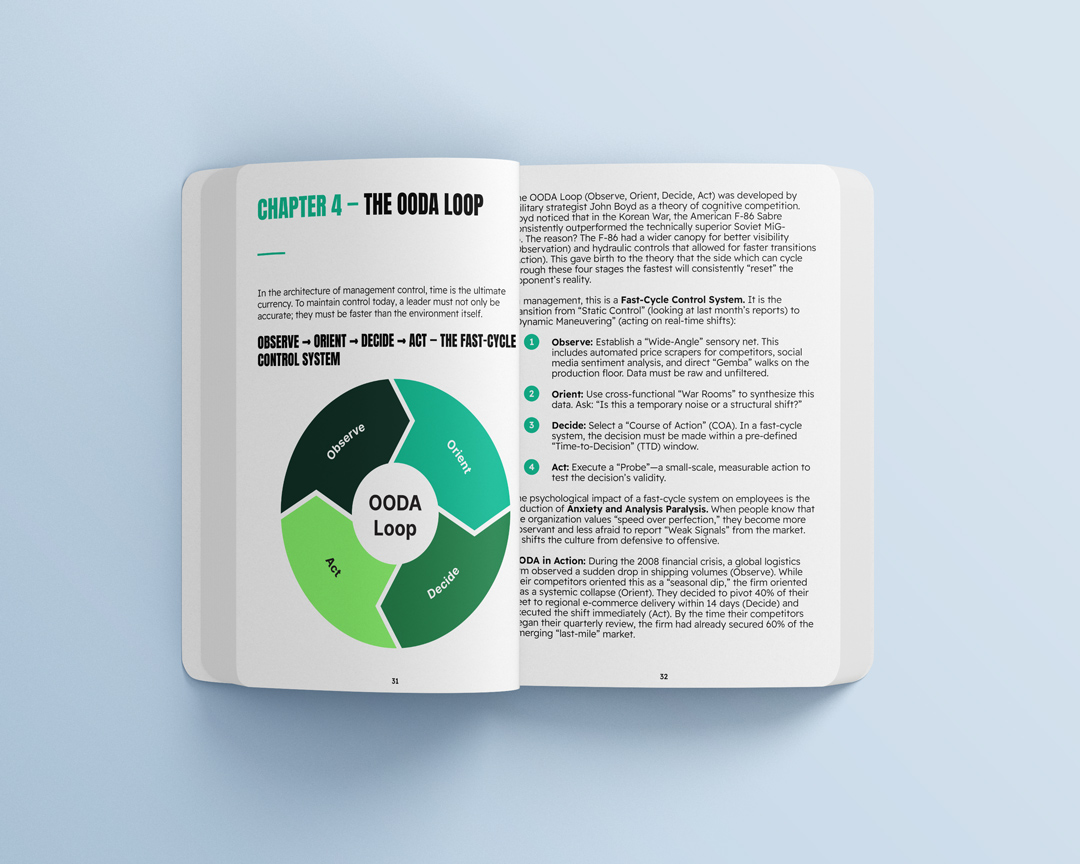
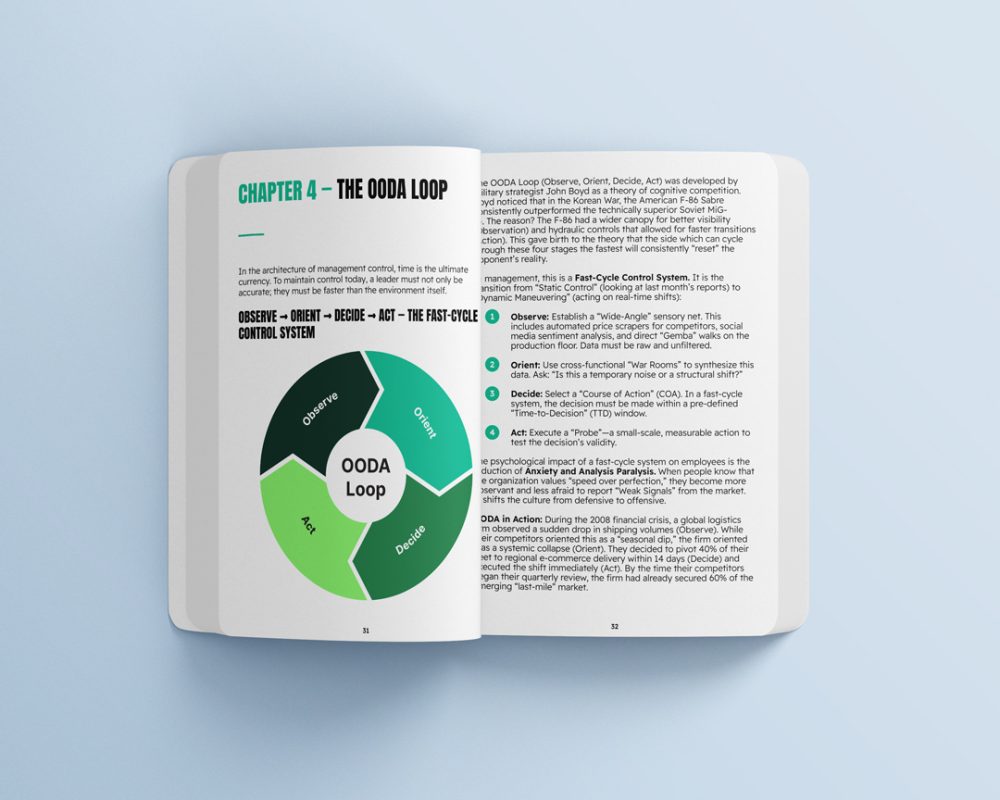
- Observe, Orient, Decide, Act: The Fast-Cycle Control System
- Why Orientation Is The Most Overlooked And Most Decisive Step
- OODA Vs. The Management Control Loop: When To Use Which
- How Faster Loops Create Competitive Advantage In Volatile Environments
- The Japanese System For Cascading Strategy Into Action At Every Level
- The X-Matrix: Objectives, Strategies, Projects, And Metrics On One Page
- Catchball: The Built-In Negotiation Process Between Levels
- How Hoshin Kanri Installs Vertical Alignment Without Top-Down Rigidity
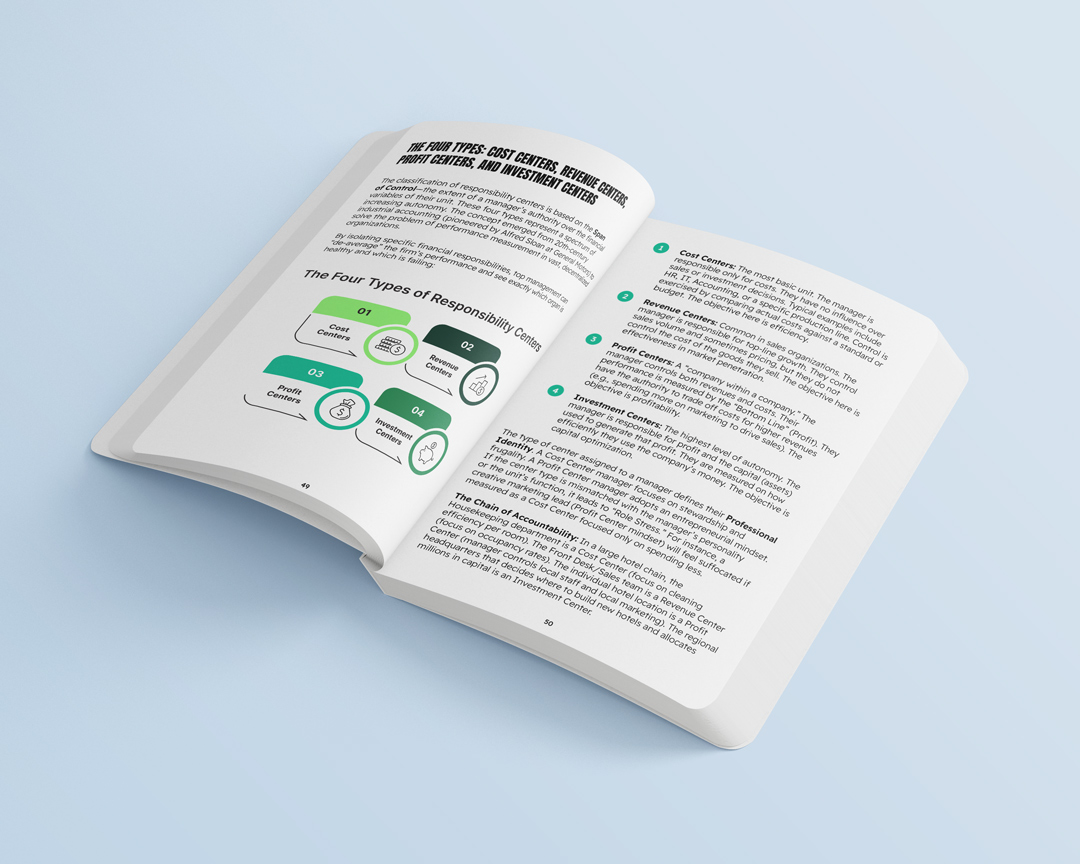
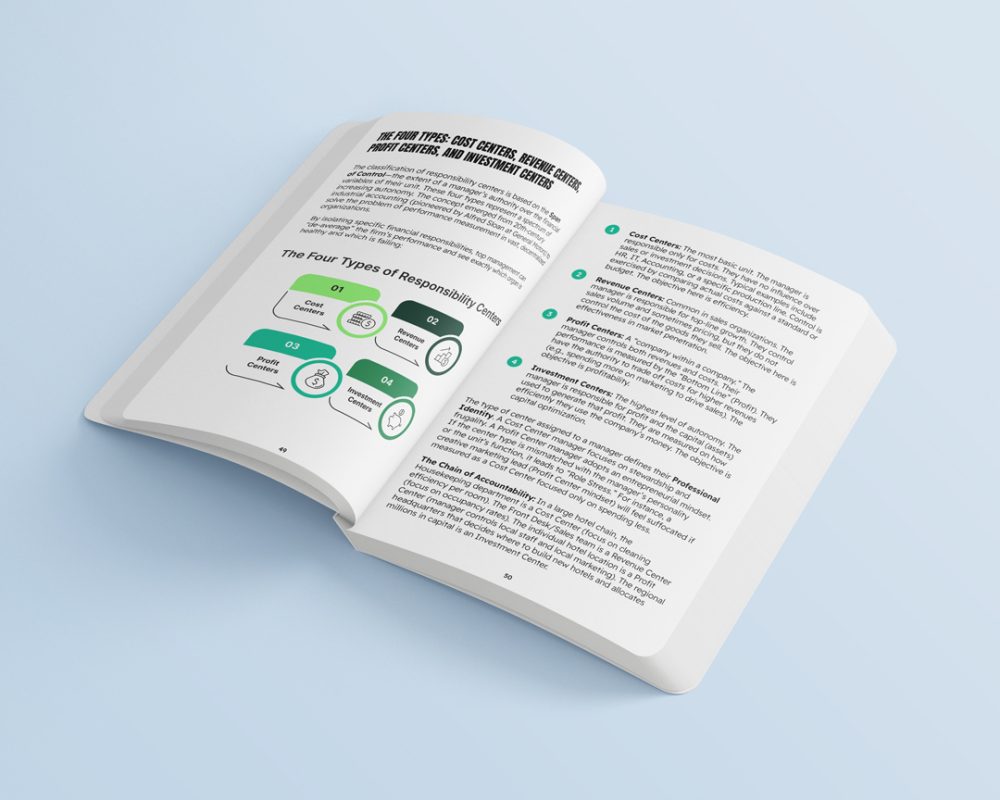
- The Four Types: Cost Centers, Revenue Centers, Profit Centers, Investment Centers
- The Principle: Only Hold People Accountable For What They Can Influence
- What Each Center Controls, What It Doesn’t, And How To Measure It Fairly
- The Most Common Mistake: Treating A Cost Center Like A Profit Center
- Why Top-Level Metrics Are Useless Without A Breakdown
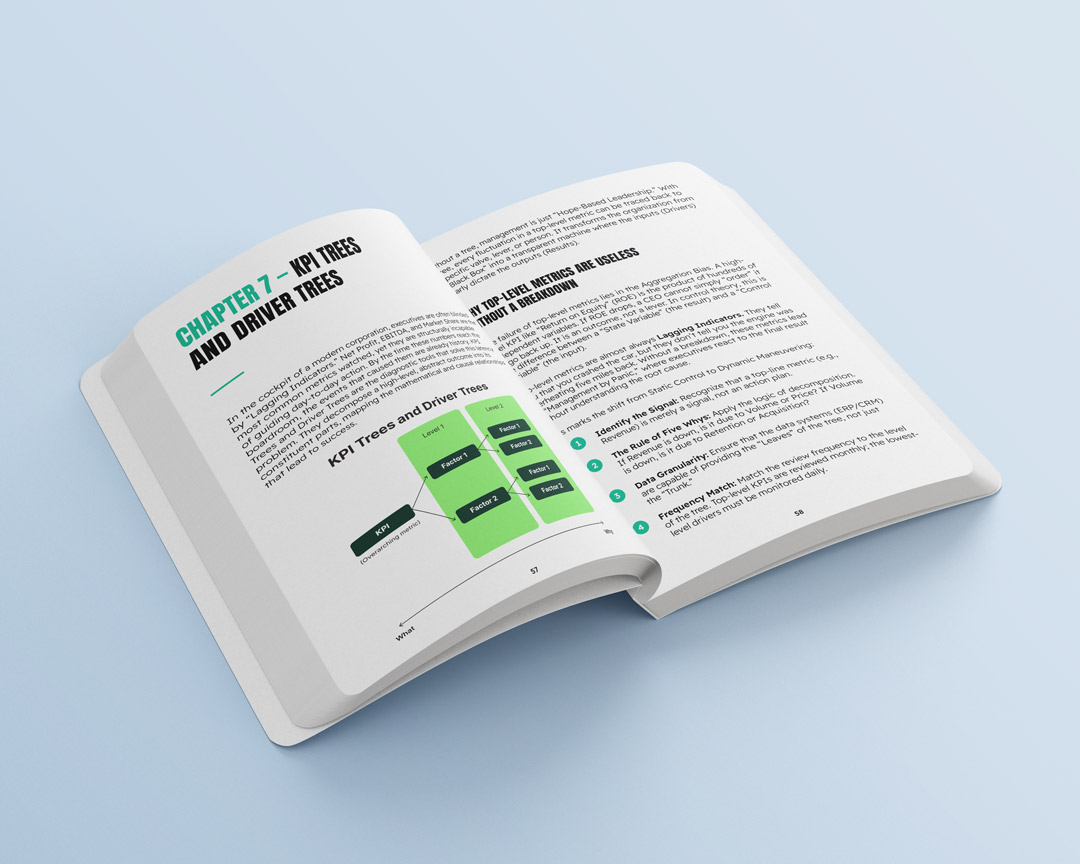
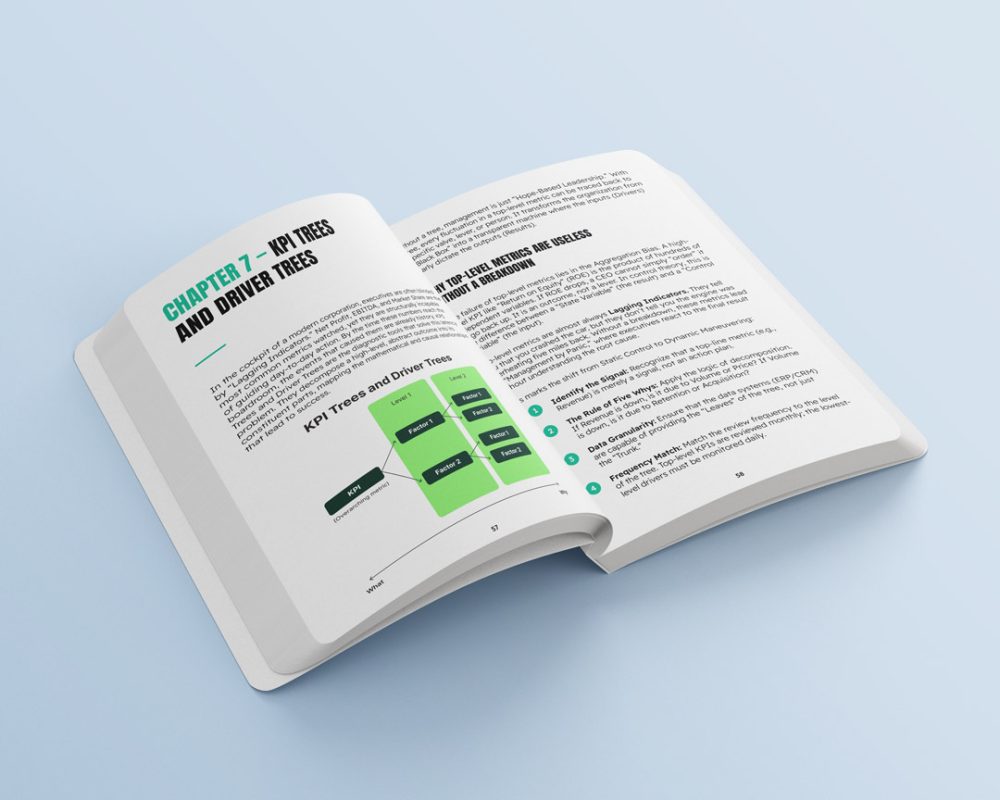
- Building A Driver Tree: Start With The Outcome, Decompose Into The Levers
- How To Identify Which Drivers Are Controllable And Which Are Noise
- The Rule: If You Can’t Trace A KPI To An Action Someone Owns, It’s Decoration
- The Structured Method For Answering “Why Did Results Differ From Plan?”
- The Five Core Variances: Price, Volume, Mix, Efficiency, Spending
- Separating Variances You Caused From Variances That Happened To You
- How To Turn Variance Reviews Into Decision-Forcing Conversations
- The One Question: Is This Unit Creating Or Destroying Value After The Cost Of Capital?
- How EVA Cuts Through Accounting Tricks And Revenue Vanity
- Calculating EVA: Net Operating Profit After Tax Minus Capital Charge
- Using EVA To Compare Divisions, Evaluate Investments, And Expose Hidden Value Destruction
- Beyond Shareholders: Five Facets Of Performance Measurement
- Stakeholder Satisfaction, Stakeholder Contribution, Strategies, Processes, Capabilities
- Why Starting With “What Do Stakeholders Want?” Changes Everything
- When To Use The Performance Prism Vs. Simpler Frameworks
- Why Good People Game Bad Systems
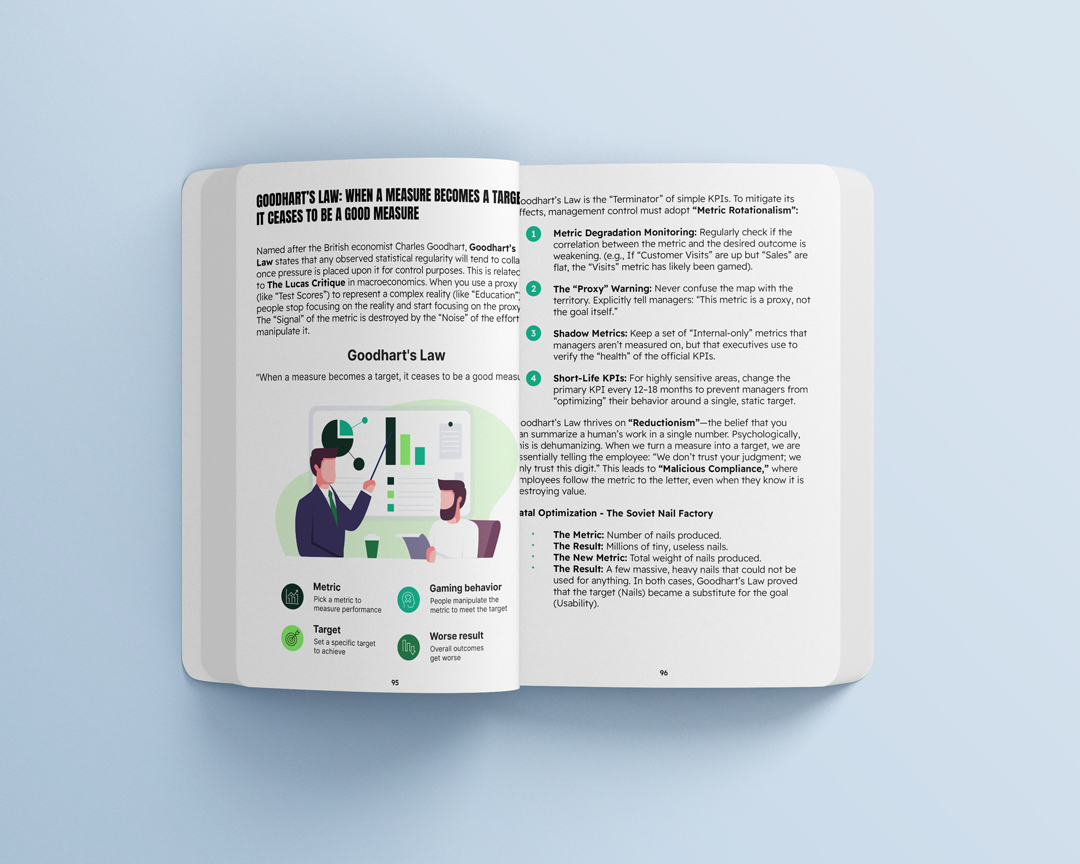
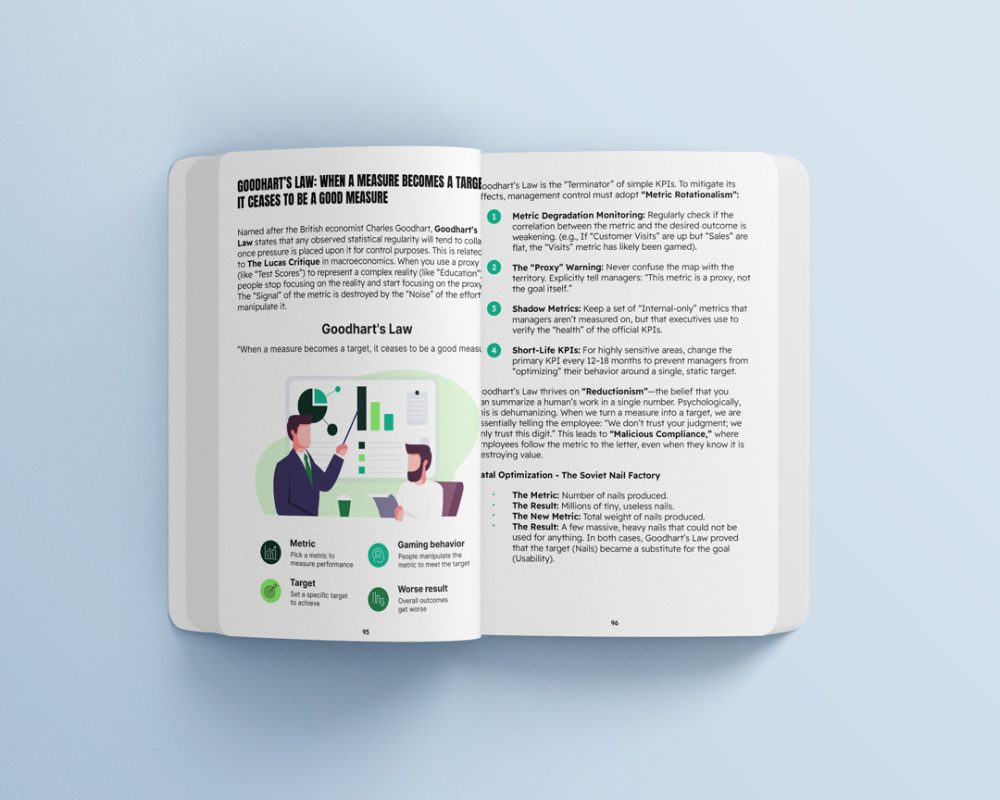
- Goodhart’s Law: When A Measure Becomes A Target, It Ceases To Be A Good Measure
- Common Gaming Patterns: Threshold Manipulation, Timing Games, Denominator Tricks
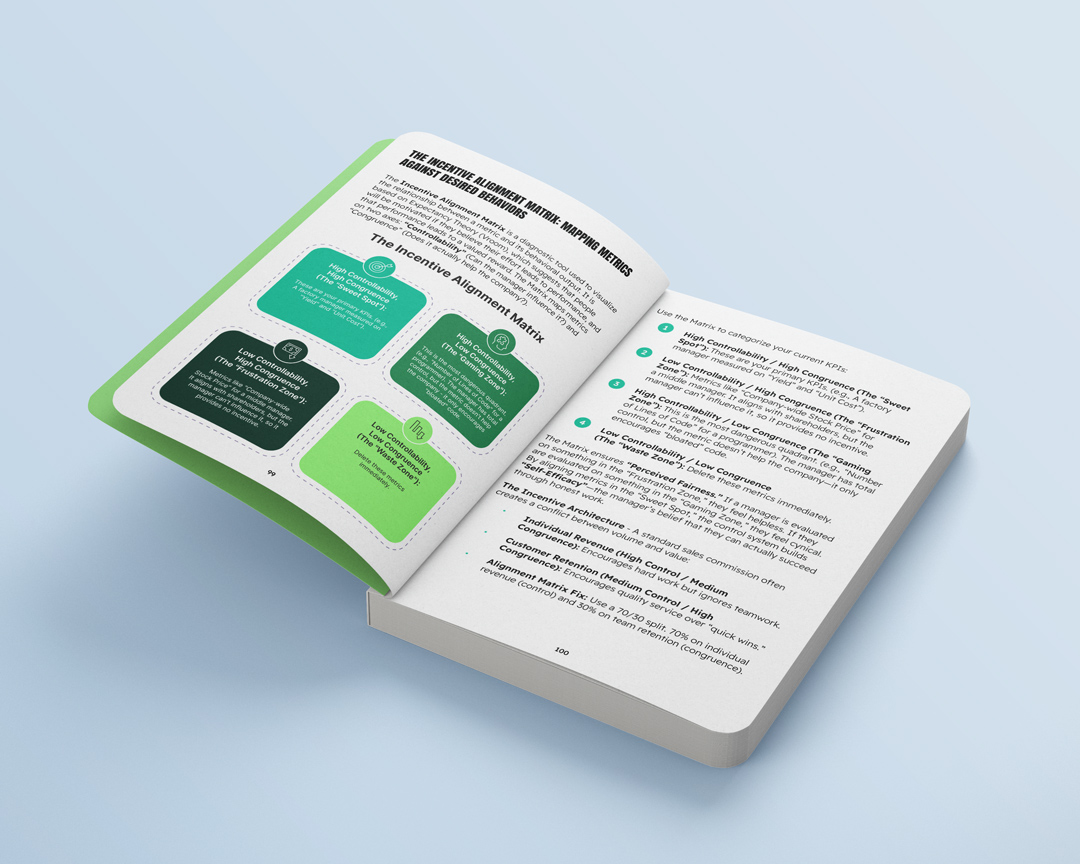
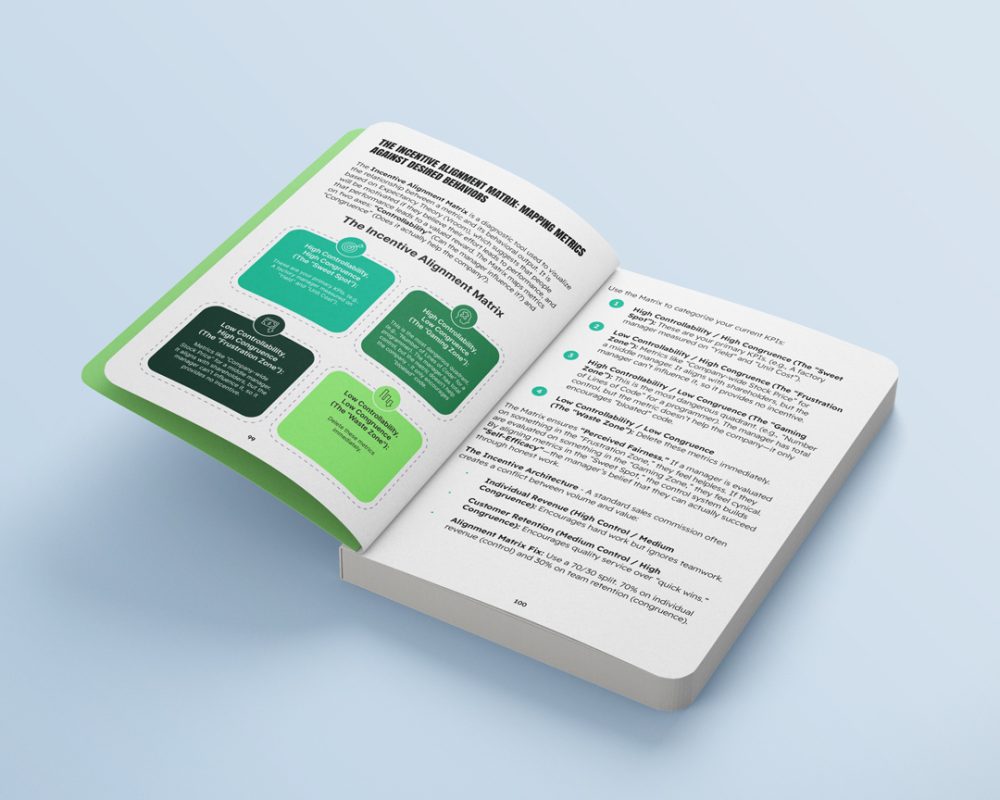
- The Incentive Alignment Matrix: Mapping Metrics Against Desired Behaviors
- Designing Metrics That Resist Gaming
- Not Every Function Needs The Same Level Of Control
- Where To Tighten: Cash, Compliance, Financial Reporting, Safety
- Where To Loosen: R&D, Creative Functions, Early-Stage Initiatives
- The Criteria: Reversibility, Financial Exposure, Speed Requirements, Talent Type
- First Line: Operational Management Owns Risk Day To Day
- Second Line: Risk And Compliance Functions Set Standards And Monitor
- Third Line: Internal Audit Provides Independent Assurance
- Where The Gaps Between Lines Form And How Failures Slip Through
- Why Yellow Lights Kill Control Systems
- The Binary System: Red Or Green, Nothing In Between
- How Removing “Mostly Fine” Forces Honesty And Speeds Escalation
- Designing Triggers: What Qualifies As Red, Who Escalates, And How Fast
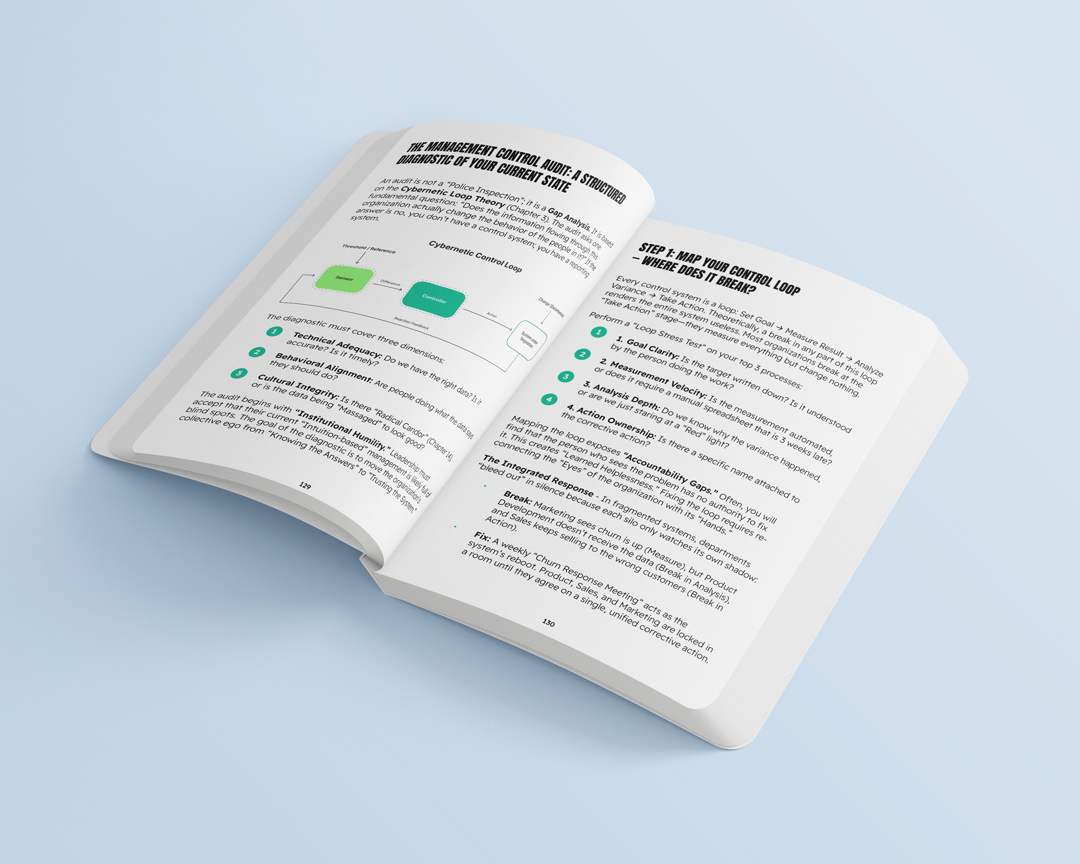
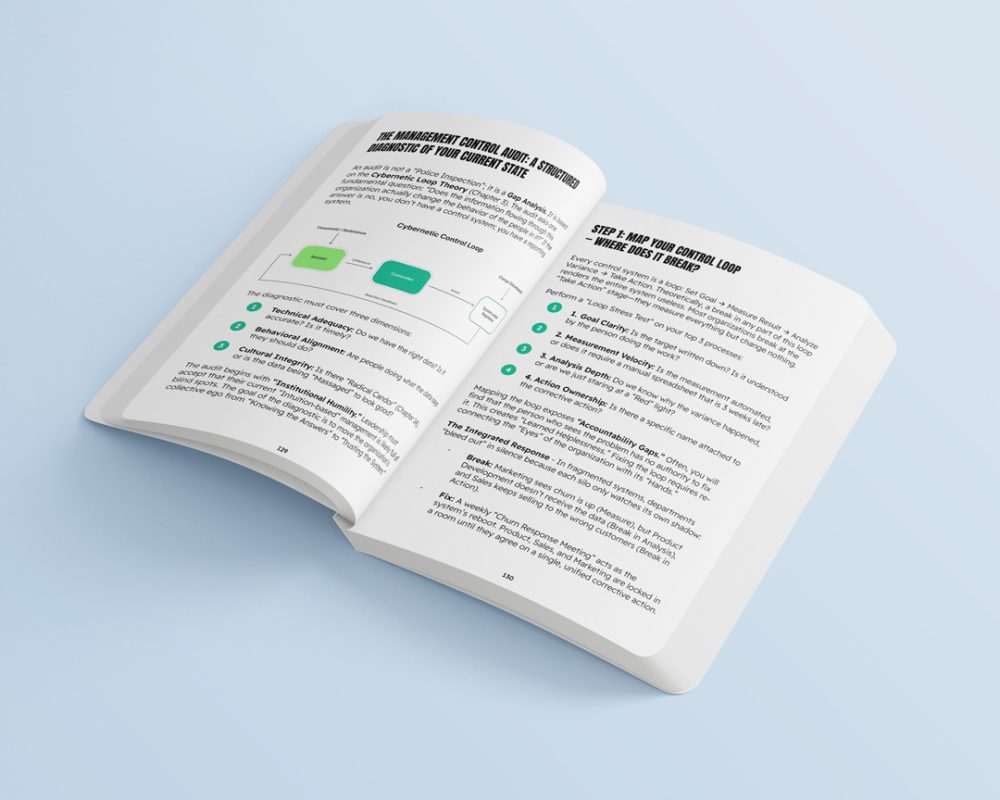
- The Management Control Audit: A Structured Diagnostic
- Map Your Control Loop, Define Responsibility Centers, Build Driver Trees
- Install Variance Reviews, Audit Incentive Alignment, Calibrate Control Tightness
- The 30-Day Quick Wins And The 90-Day Build
Part 1: Why Companies Lose Control
Part 2: Simons’ Levers Of Control
Part 3: The Management Control Loop
Part 4: The OODA Loop
Part 5: Hoshin Kanri: Strategy Deployment
Part 6: Responsibility Centers
Part 7: KPI Trees And Driver Trees
Part 8: Variance Analysis
Part 9: EVA: Economic Value Added
Part 10: The Performance Prism
Part 11: Incentive Alignment And Metric Gaming
Part 12: Control Tightness Spectrum
Part 13: The 3 Lines Of Defense
Part 14: Red Flag / Green Flag Reporting
Part 15: Building Your Control System






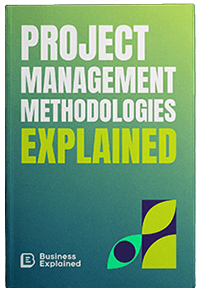
69 Products Included
All Products Special
Order our bestselling business bundle now and save a whopping $4,764 compared to buying each product separately.
Get all 69 Products for just $197 
 Risk-free Purchase: Full refund within 14 days
Safe Checkout Powered by 


This is our LOWEST PRICE EVER - don’t miss out!
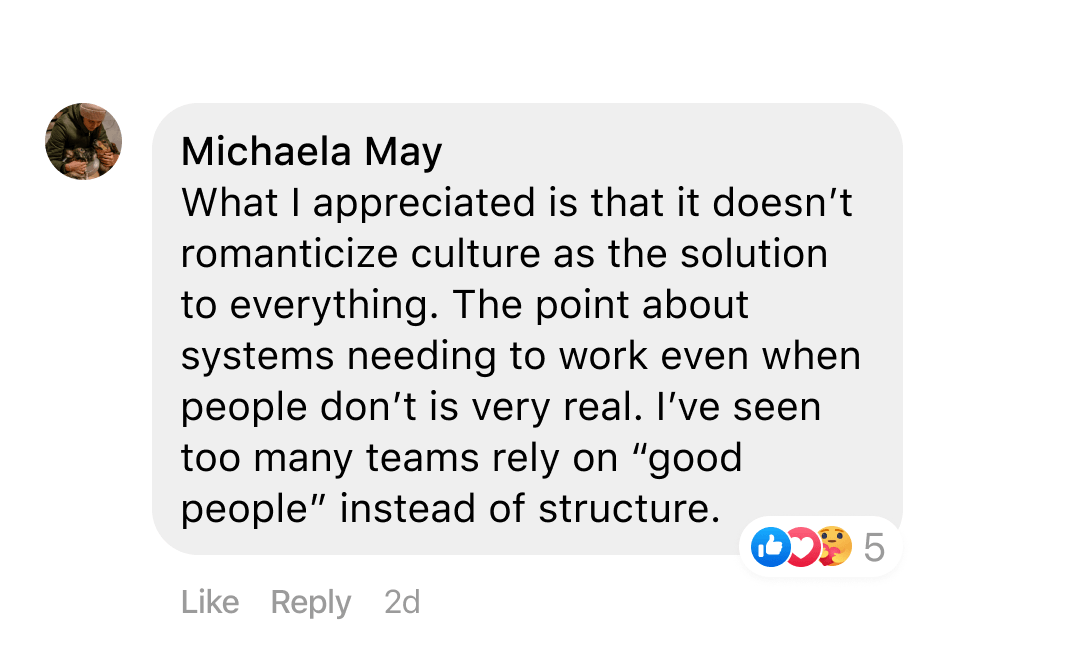
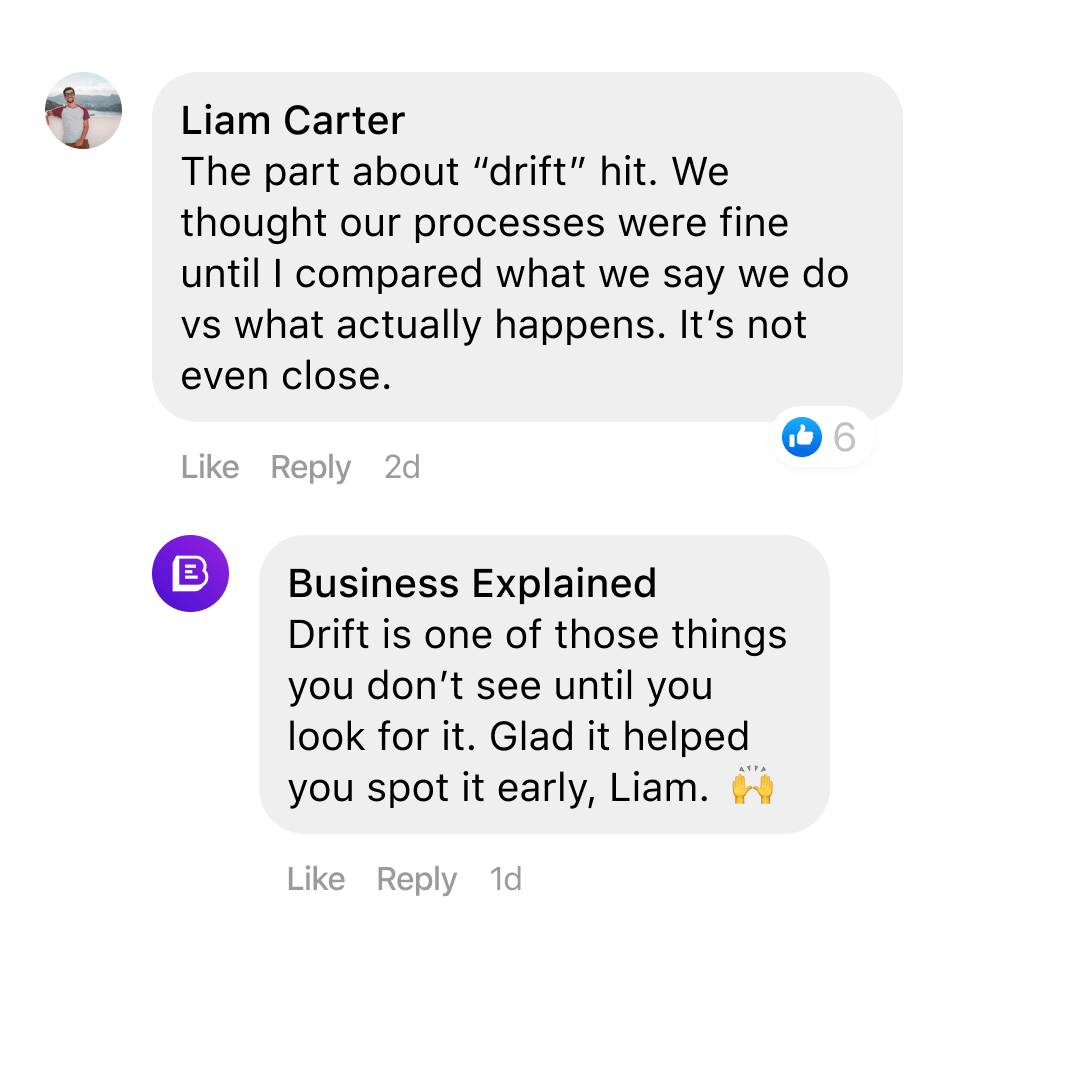
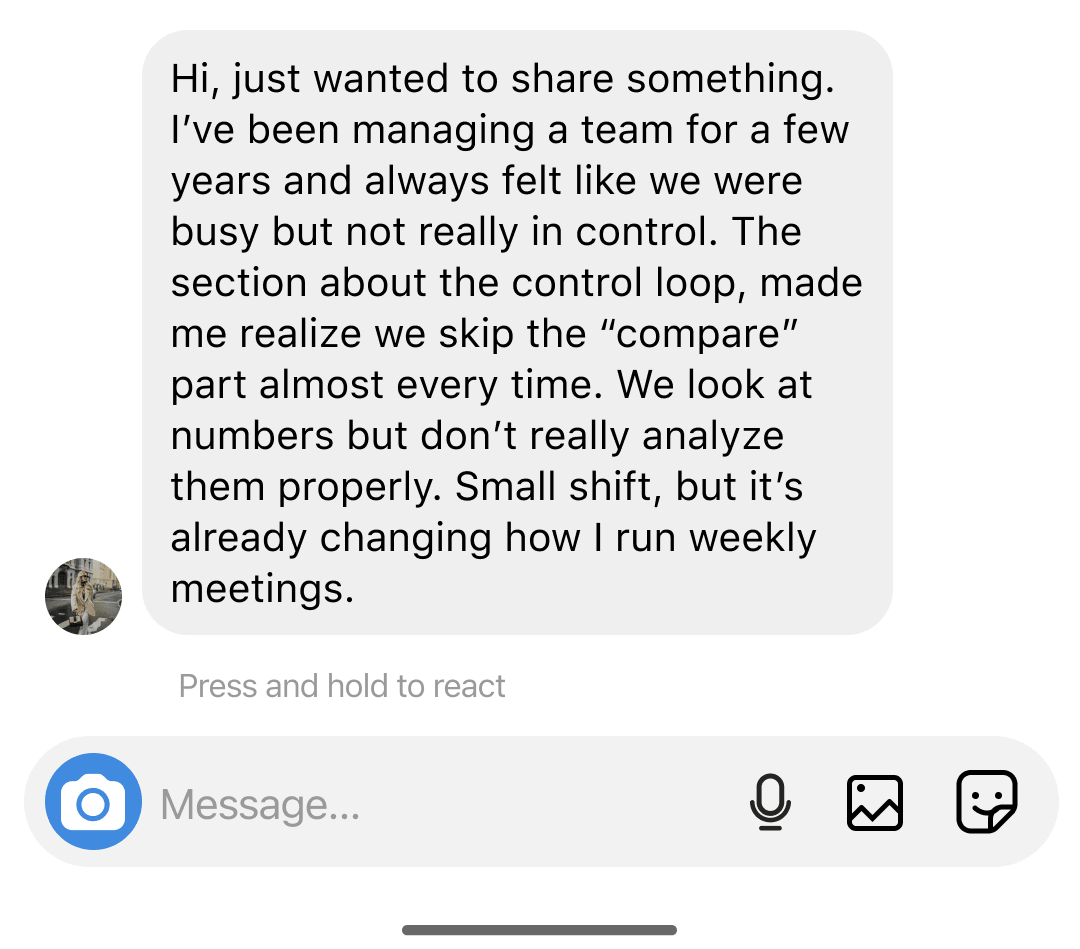
Testimonials 
98.8%
Exceptional feedback from our Success Blueprints readers 



Prime Fall Sale 

ultimate offer
All Products Special
$197 $347
You get all 69 eBooks, Checklists and Tools!
Risk-free Purchase: Full refund within 14 days
Paddle Safe Checkout

Bundle: Success Blueprints
$129 $549
You get all 10 of our high-quality eBooks!
Risk-free Purchase: Full refund within 14 days
Paddle Safe Checkout
 Lowest Price Ever!