
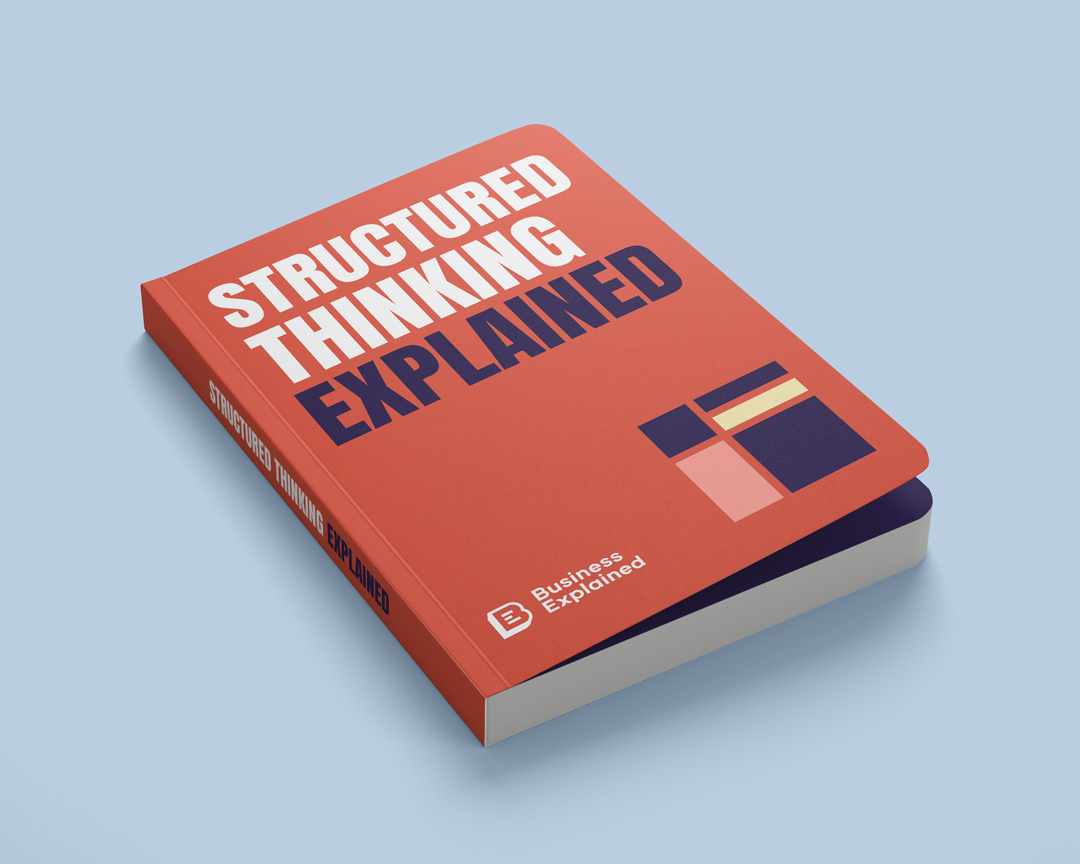
Structured Thinking Explained
Price range: $39 through $99

★★★★★ (4.84)
Loved by our amazing community
How to break down any problem and give clear answers under pressure, explained through 35 chapters of the frameworks top consultants use every day.
- Define the real problem before you solve it, so you stop answering the wrong question
- Break messy questions into clear, answerable pieces with MECE and issue trees
- Lead with the answer and back it up with logic that holds when someone pushes back
- Structure your thinking out loud in meetings, so you sound sharp even when a question catches you off guard
AS FEATURED IN


Choose one of the options:
OR SAVE $4764 TODAY

 Risk-free Purchase: Full refund within 14 days
 Paddle Safe Checkout
Risk-free: Full refund within 14 days
Paddle Safe Checkout

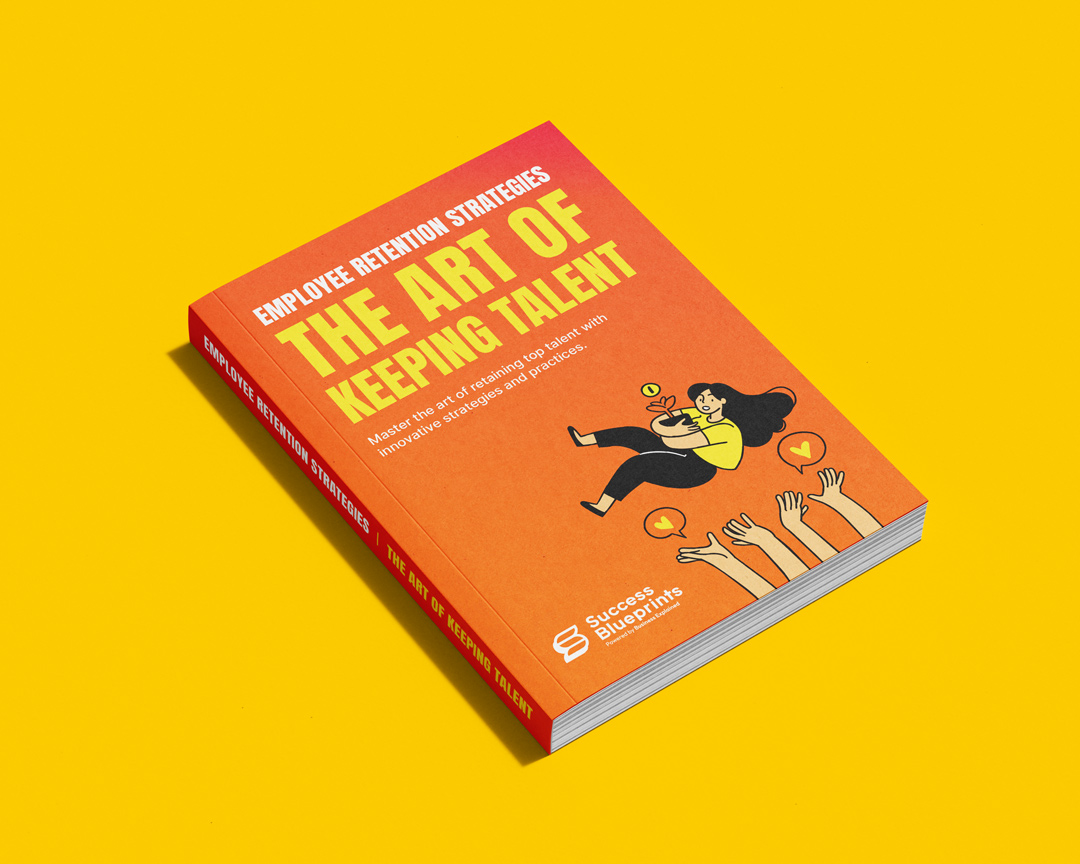
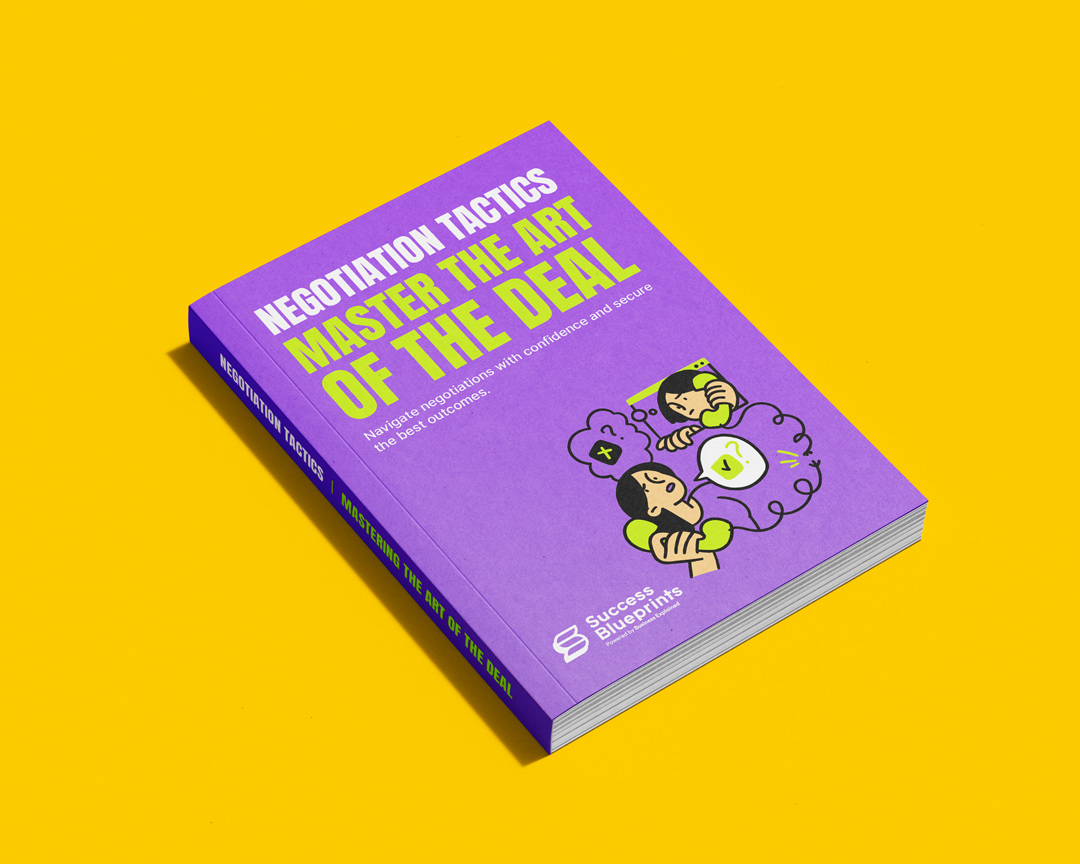
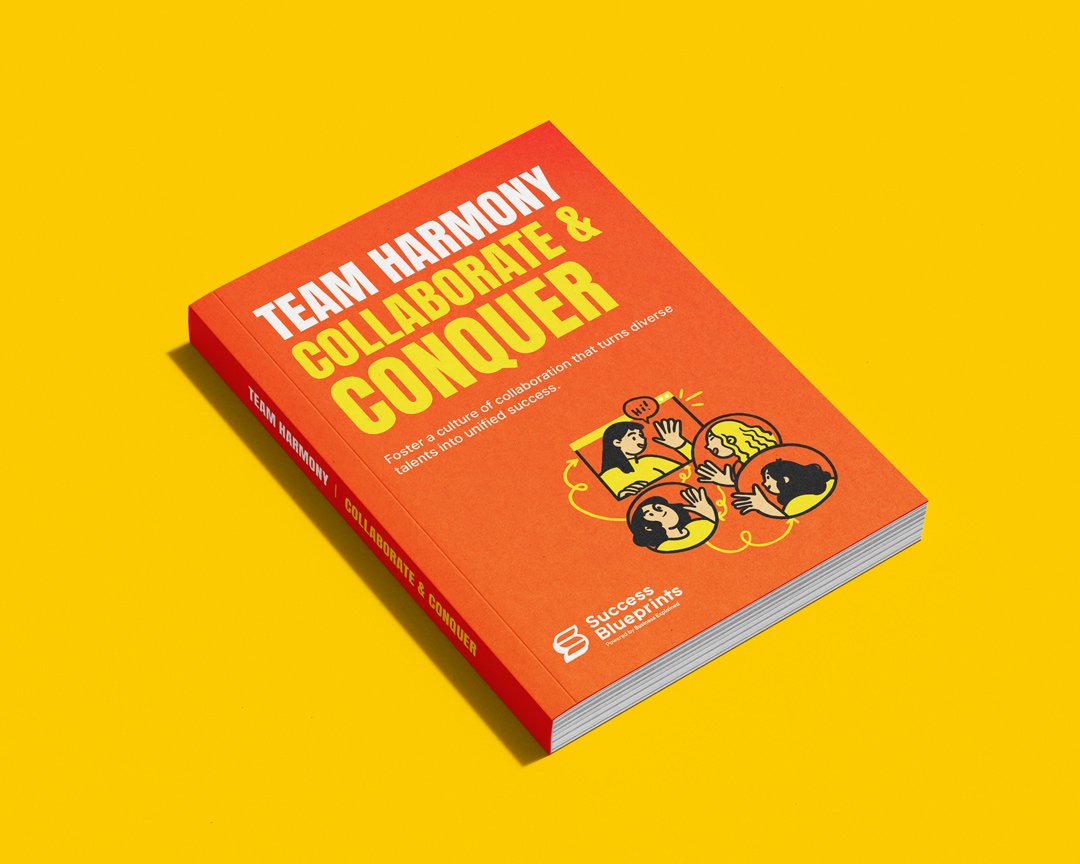
About Structured Thinking Explained
Most smart people don’t struggle because they lack good ideas. They struggle because their ideas come out in the wrong order.
A senior leader asks a simple question, and two minutes later the room has heard five reasons, three side stories and no answer.
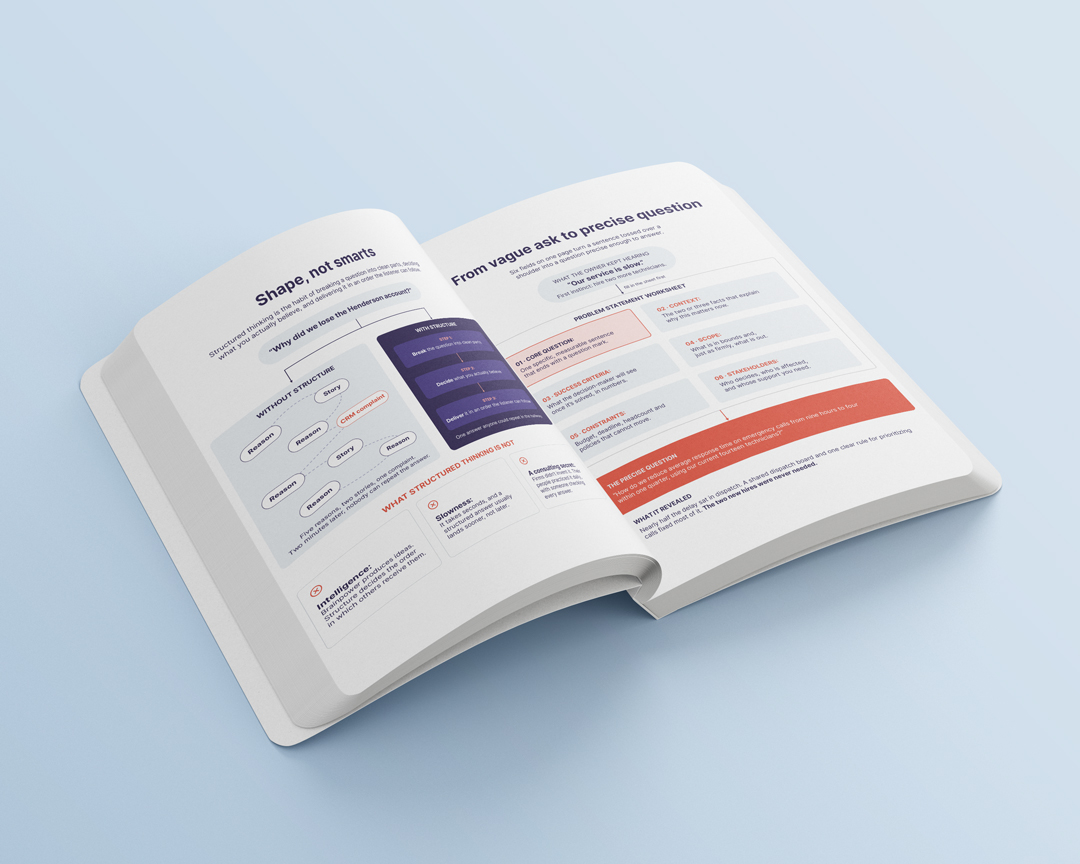
This eBook teaches you the system consultants learn on the job at top firms. It’s not about being smarter, and it’s not about being slower. Structured thinking can be learned: you define the problem, break it into pieces, form a hypothesis and present an answer people trust.
Inside, you’ll get a clear, step-by-step system for structuring any problem, from a vague request in your inbox to a hard question in the boardroom.
What you’ll learn inside:

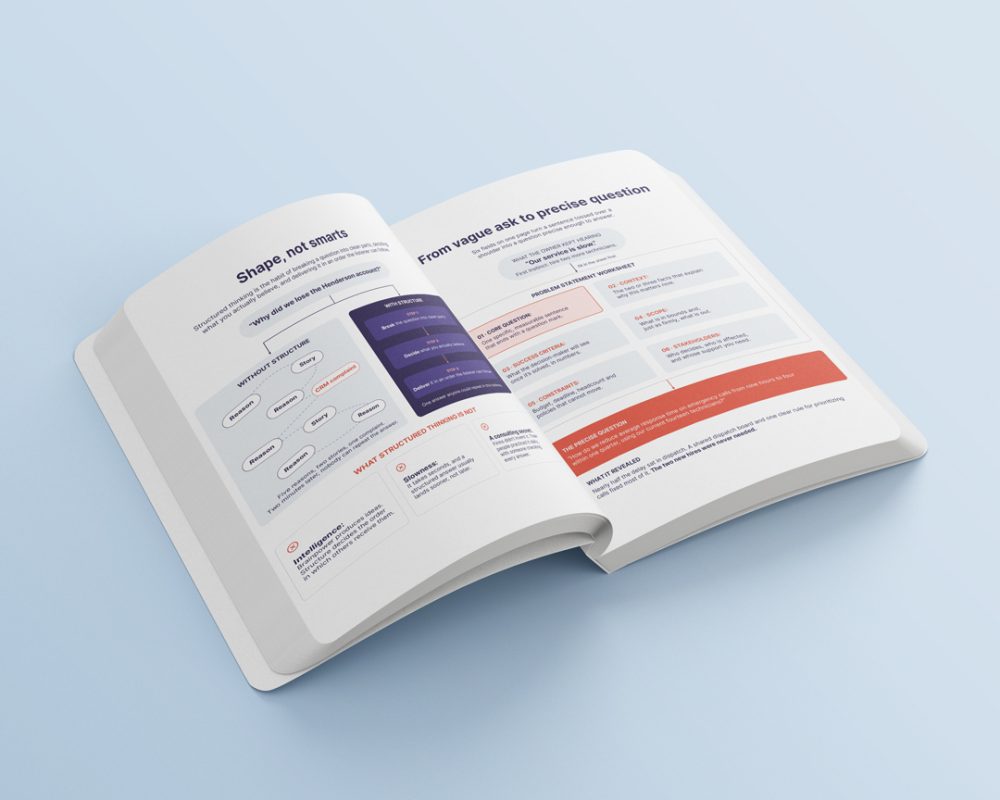
How to turn a vague ask into a precise question with the Problem Statement Worksheet

How to classify a problem with the Cynefin Framework before you pick a tool

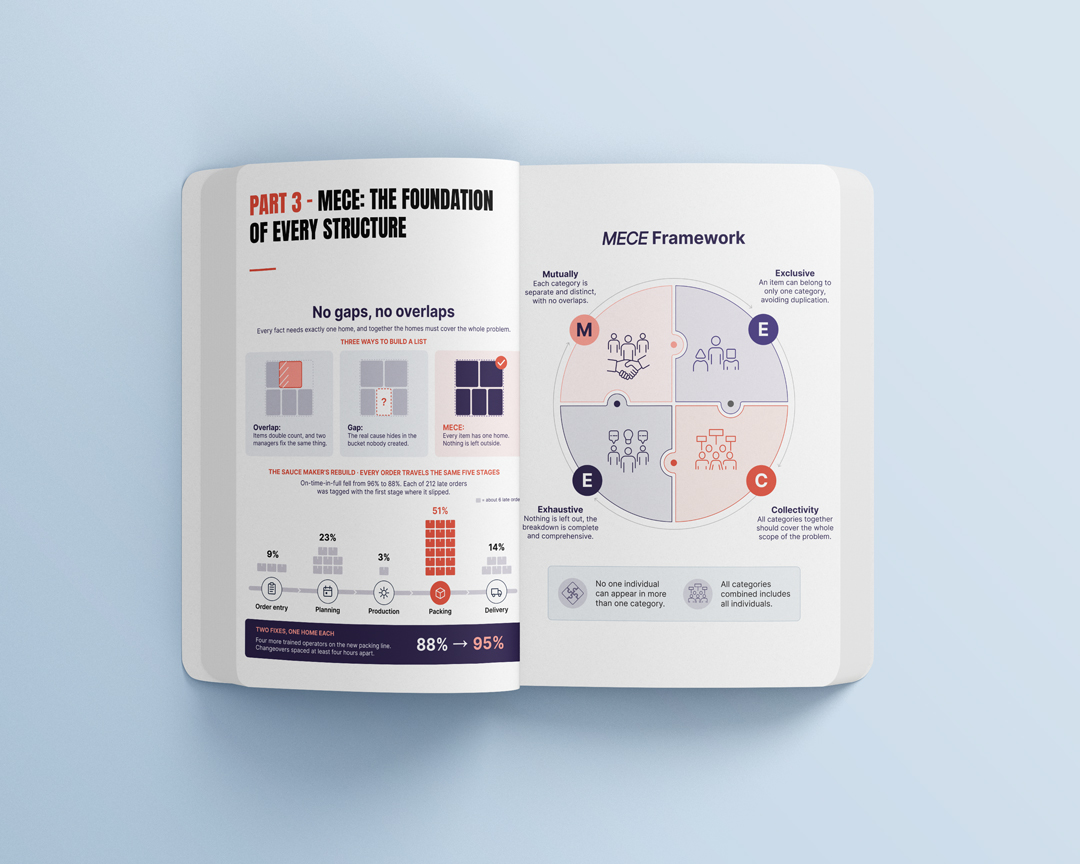
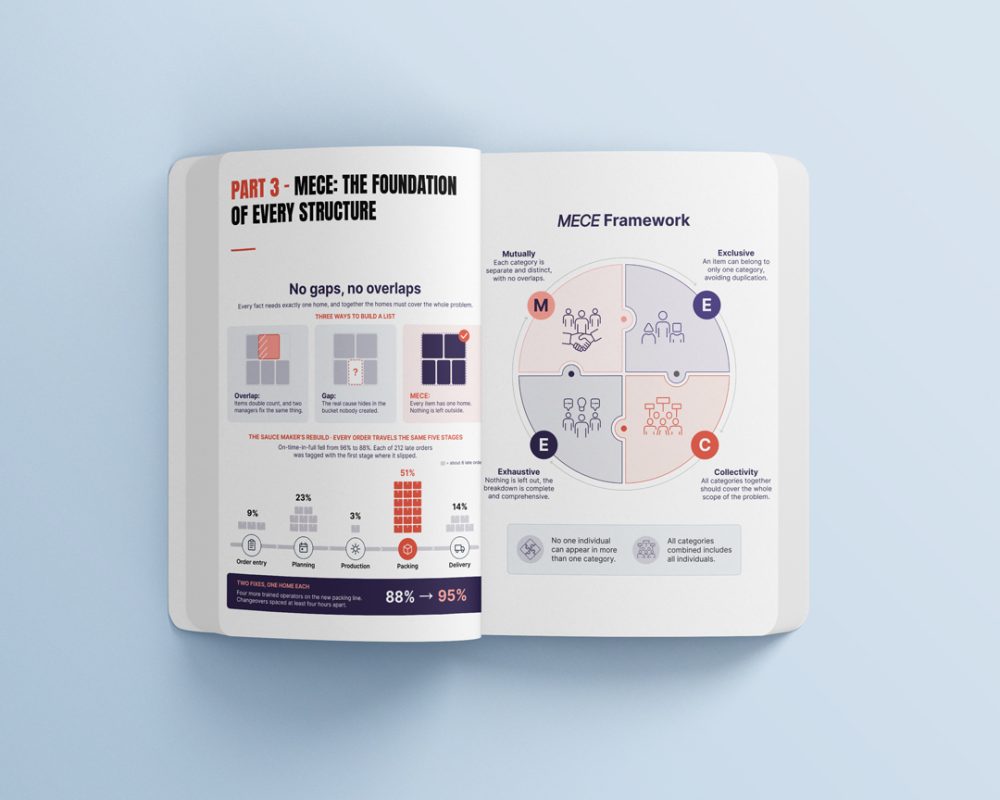
The MECE principle and the five ways to cut any problem: segment, process, formula, opposites and stakeholder

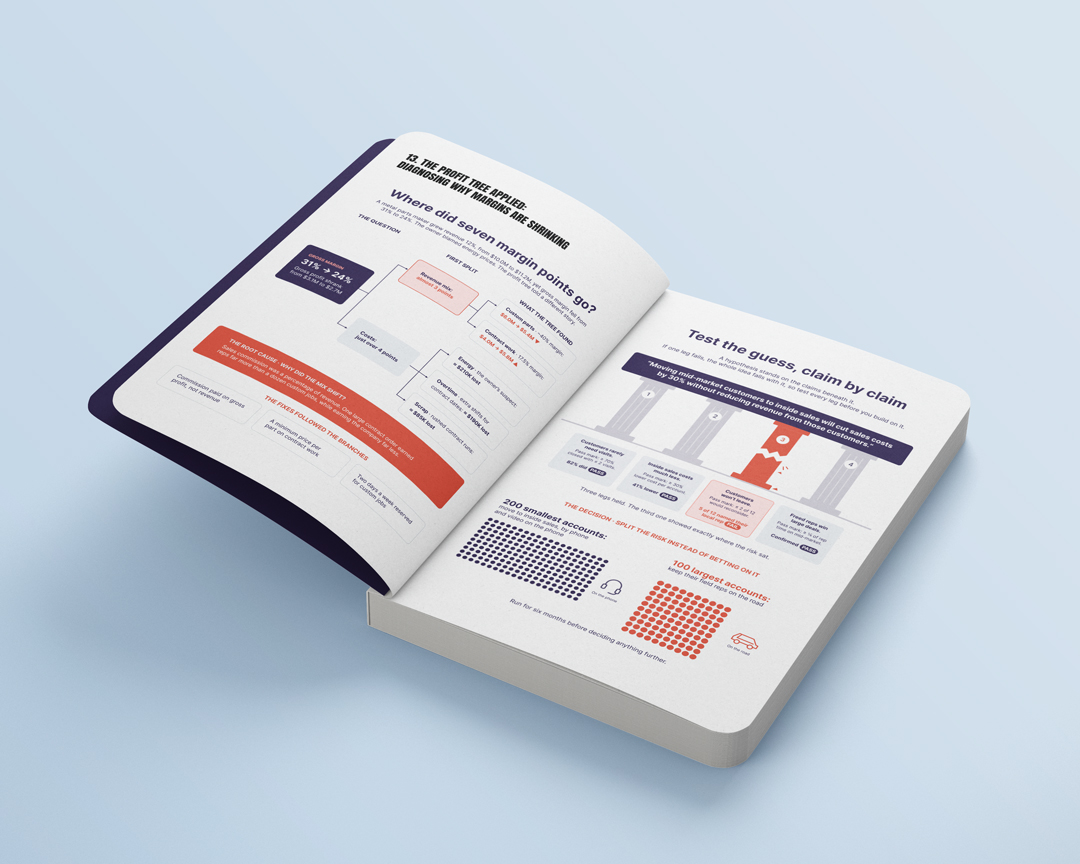
How to build issue trees, logic trees and hypothesis trees, and when to use each one

Hypothesis-first thinking: the Day One Answer, the Ghost Deck and “What Would Have To Be True?”

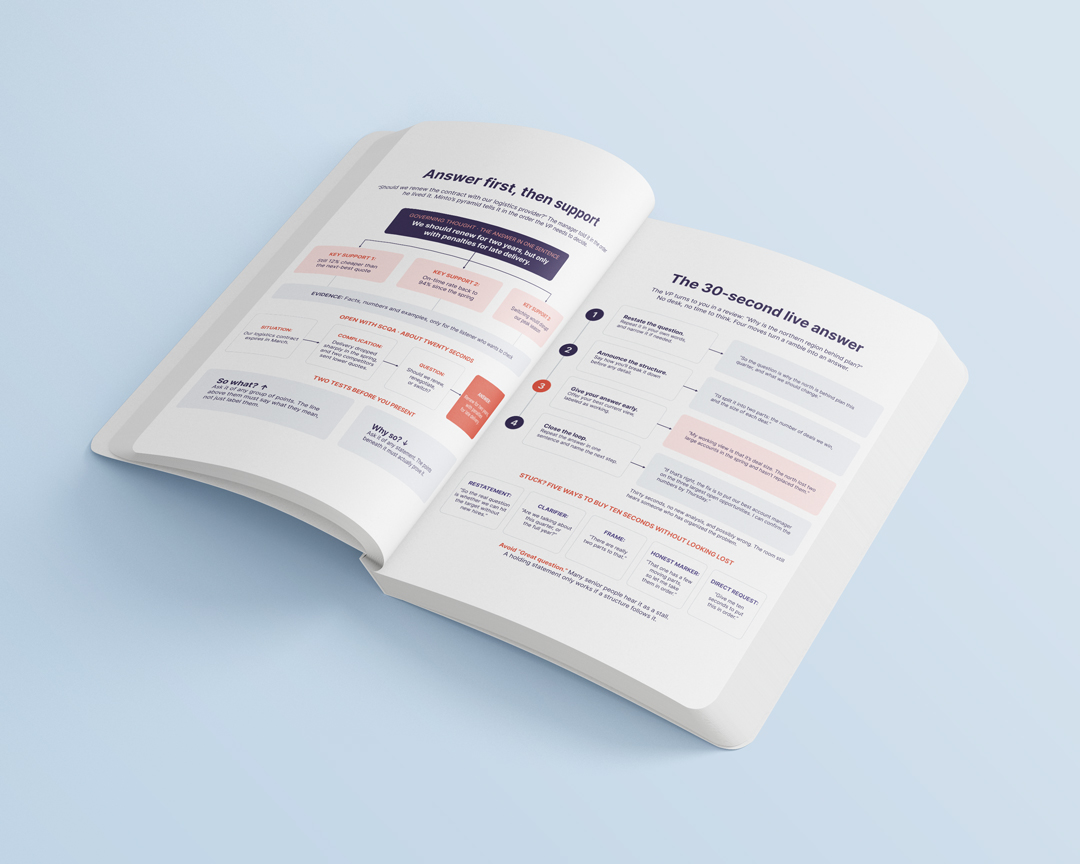
Minto’s Pyramid Principle for answer-first communication that leadership actually reads

How to answer hard questions live with holding statements, Fermi estimates and 2×2 matrices drawn on the whiteboard
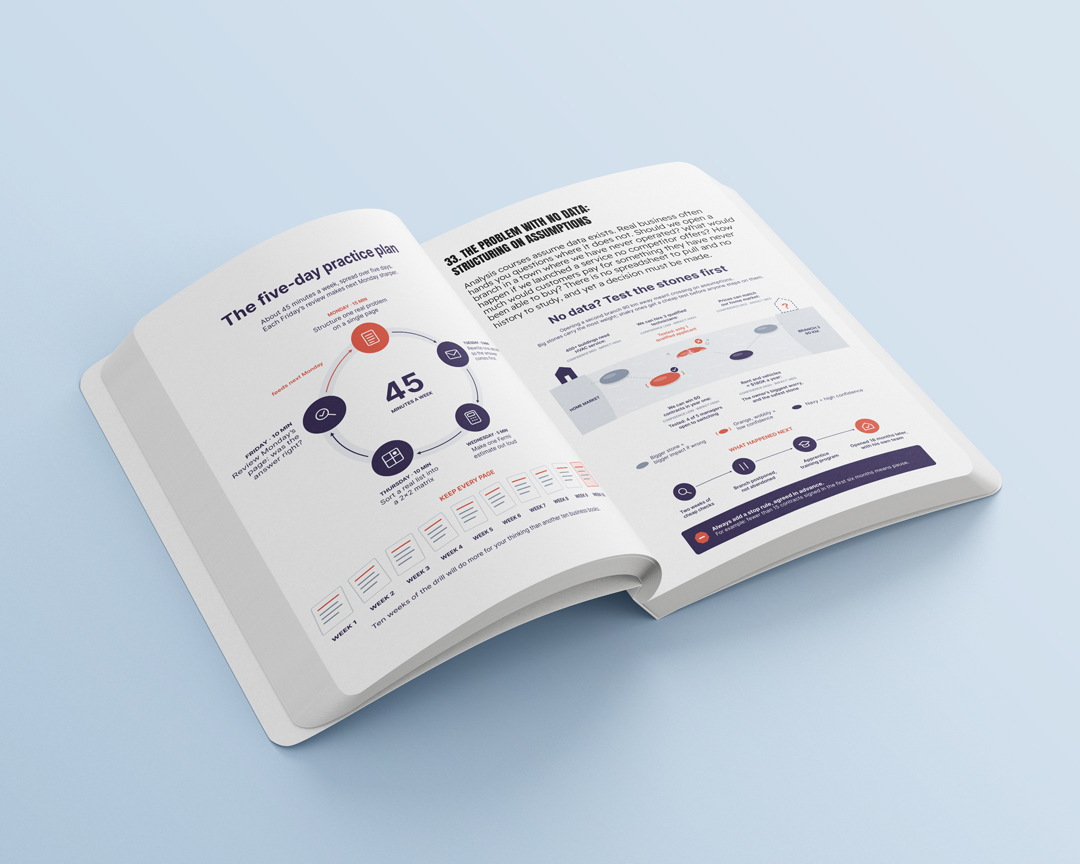
How to structure your thinking when you have no data, no answer, or a stakeholder who can’t say what they want
A ten-question Structured Thinking Checklist to run before you give any answer
Whether you’re stepping into a leadership role, moving into strategy, or just tired of getting cut off mid-sentence in meetings, this system helps you think clearly and speak with authority.
Grab your copy now and start thinking like a consultant.
Table of contents 

-
Part 1: Why Smart People Sound Unstructured
- What Structured Thinking Is Not (Being Smart, Being Slow, Being a Consultant)
- The Vague Question Problem: Why Good Answers Die in Bad Structure
- Learned, Not Innate: Where Ex-Consultants Actually Picked It Up
- The Problem Statement Worksheet: Turning a Vague Ask into a Precise Question
- The Cynefin Framework: Classifying the Problem Before You Pick a Tool
- The Ladder of Abstraction: Finding the Right Altitude for the Question
- First Principles: Stripping a Problem Down to What’s Actually True
- MECE Applied: No Gaps, No Overlaps, on a Real Operator Problem
- The Five Ways to Cut Any Problem: Segment, Process, Formula, Opposites, Stakeholder
- The MECE Stress Test: Catching the Overlap Before Your VP Does
- The Issue Tree: Breaking a Messy Question into Answerable Pieces
- Issue Trees vs. Logic Trees vs. Hypothesis Trees: Which Tree for Which Job
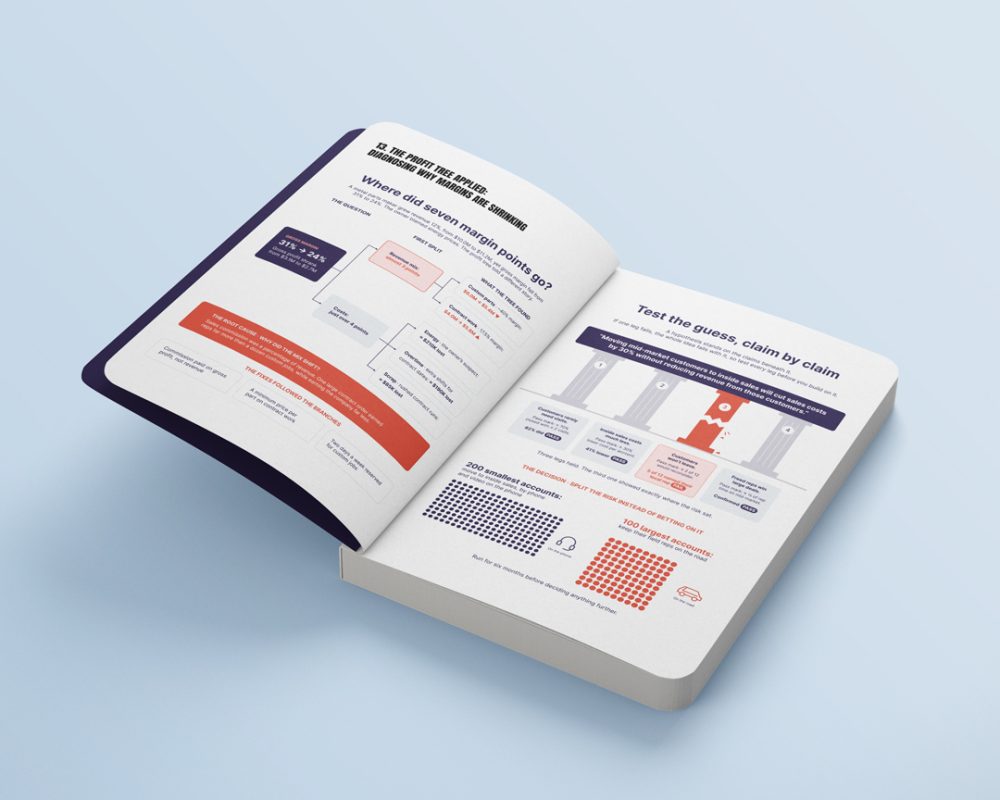
- The Profit Tree Applied: Diagnosing Why Margins Are Shrinking
- How Deep to Go: Knowing When a Branch Is Done
- Pruning the Tree: Cutting the Branches That Don’t Move the Answer
- The Day One Answer: Starting with a Guess on Purpose
- The Hypothesis Tree: Turning Your Guess into Testable Claims
- The Ghost Deck: Writing the Answer Before You Do the Analysis
- What Would Have to Be True: Testing a Hypothesis Without Months of Analysis
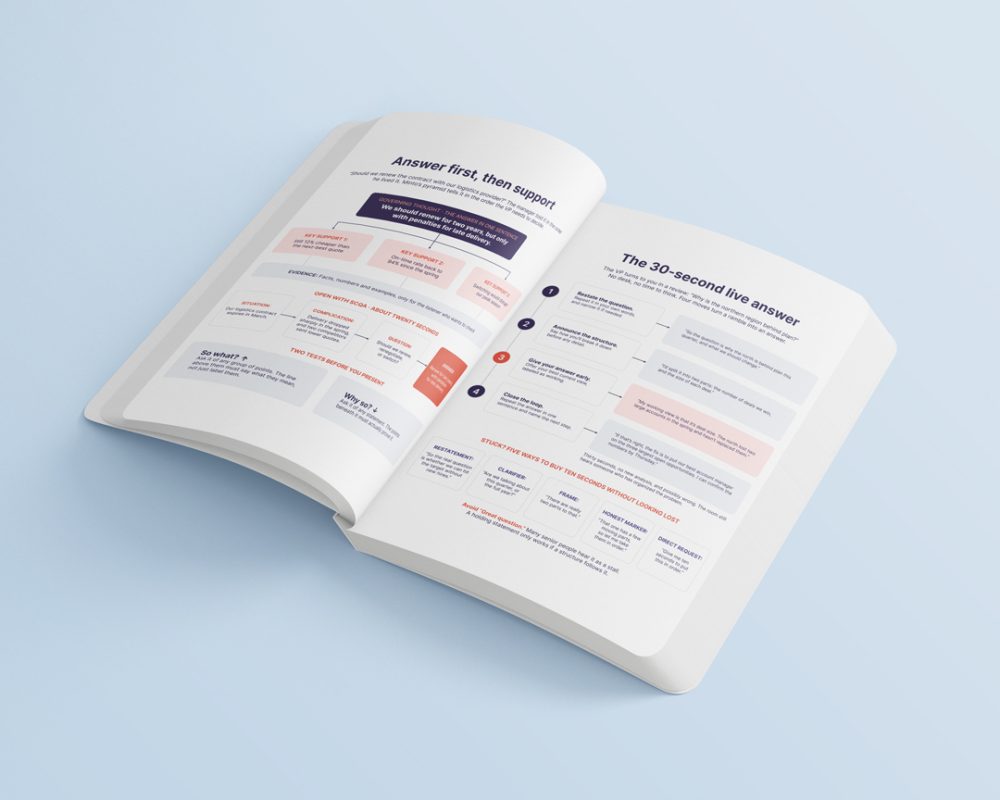
- Minto’s Pyramid Principle: Answer First, Then Support
- So What? and Why So?: Testing Vertical and Horizontal Logic
- Deductive vs. Inductive: Two Ways to Build an Argument That Holds
- Minto’s Three Orders: Sequencing by Time, Structure, or Degree
- The Rule of Three: Why Every Group Should Stop at Three
- The Live Structure: Answering a Hard Question in Real Time
- The Holding Statement: Buying Ten Seconds Without Looking Lost
- Fermi Thinking: Estimating Anything Out Loud with Confidence
- The Whiteboard Move: Drawing the Structure While You Talk
- The 2×2 Matrix: Building Your Own on the Spot
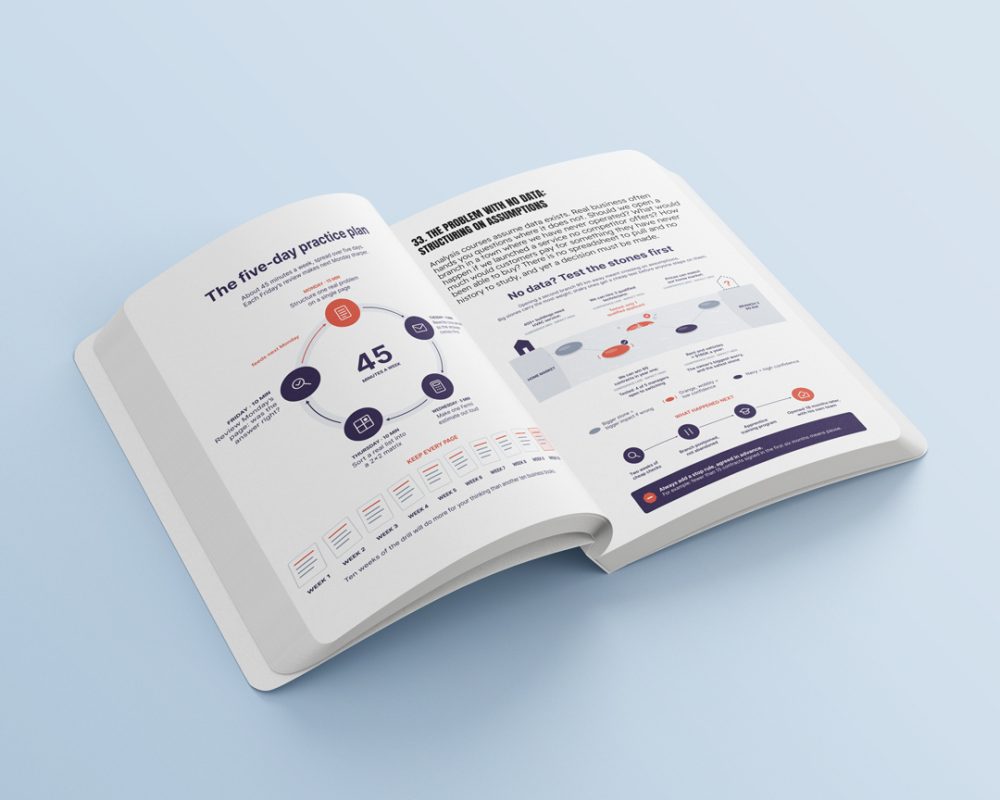
- The Monday Morning Drill: Practicing Structure on Everyday Problems
- The Structured Thinking Checklist: Ten Questions Before Any Answer
- The Question You Can’t Answer: Structuring When You Don’t Know
- The Problem with No Data: Structuring on Assumptions
- The Room That Rejects Your Structure: Defending or Adapting Live
- The Messy Stakeholder Ask: Structuring a Request Nobody Can Articulate
Part 2: Define the Problem Before You Solve It
Part 3: MECE: The Foundation of Every Structure
Part 4: Issue and Logic Trees
Part 5: Hypothesis-First Thinking
Part 6: Grouping and Sequencing an Argument
Part 7: Structuring Out Loud
Part 8: Making It a Habit
Part 9: The Hard Cases
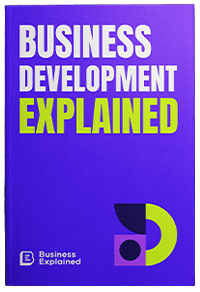
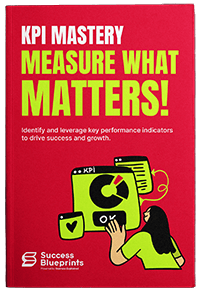
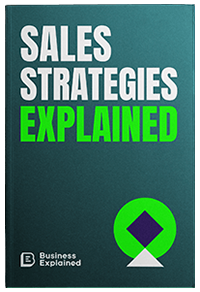

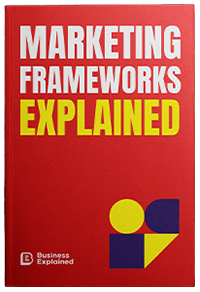
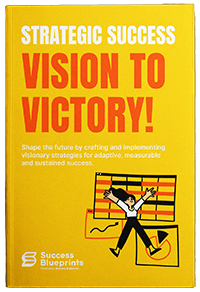


70 Products Included
All Products Special
Order our bestselling business bundle now and save a whopping $4,764 compared to buying each product separately.
Get all 70 Products for just $99 
 Risk-free Purchase: Full refund within 14 days
Safe Checkout Powered by 


This is our LOWEST PRICE EVER - don’t miss out!
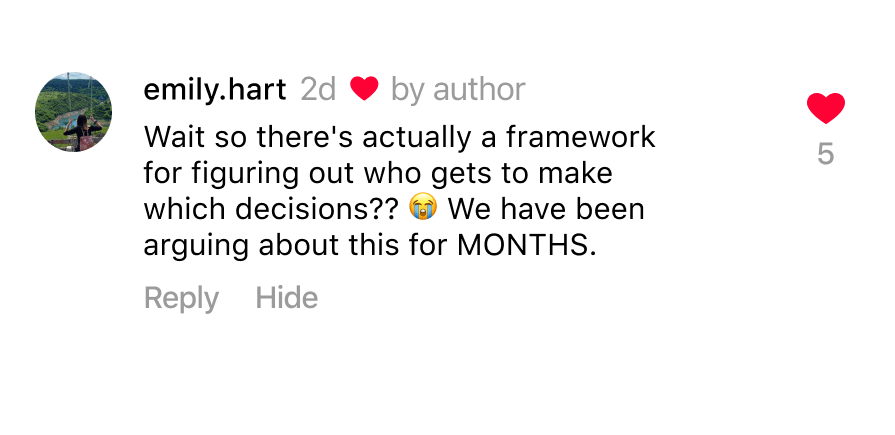
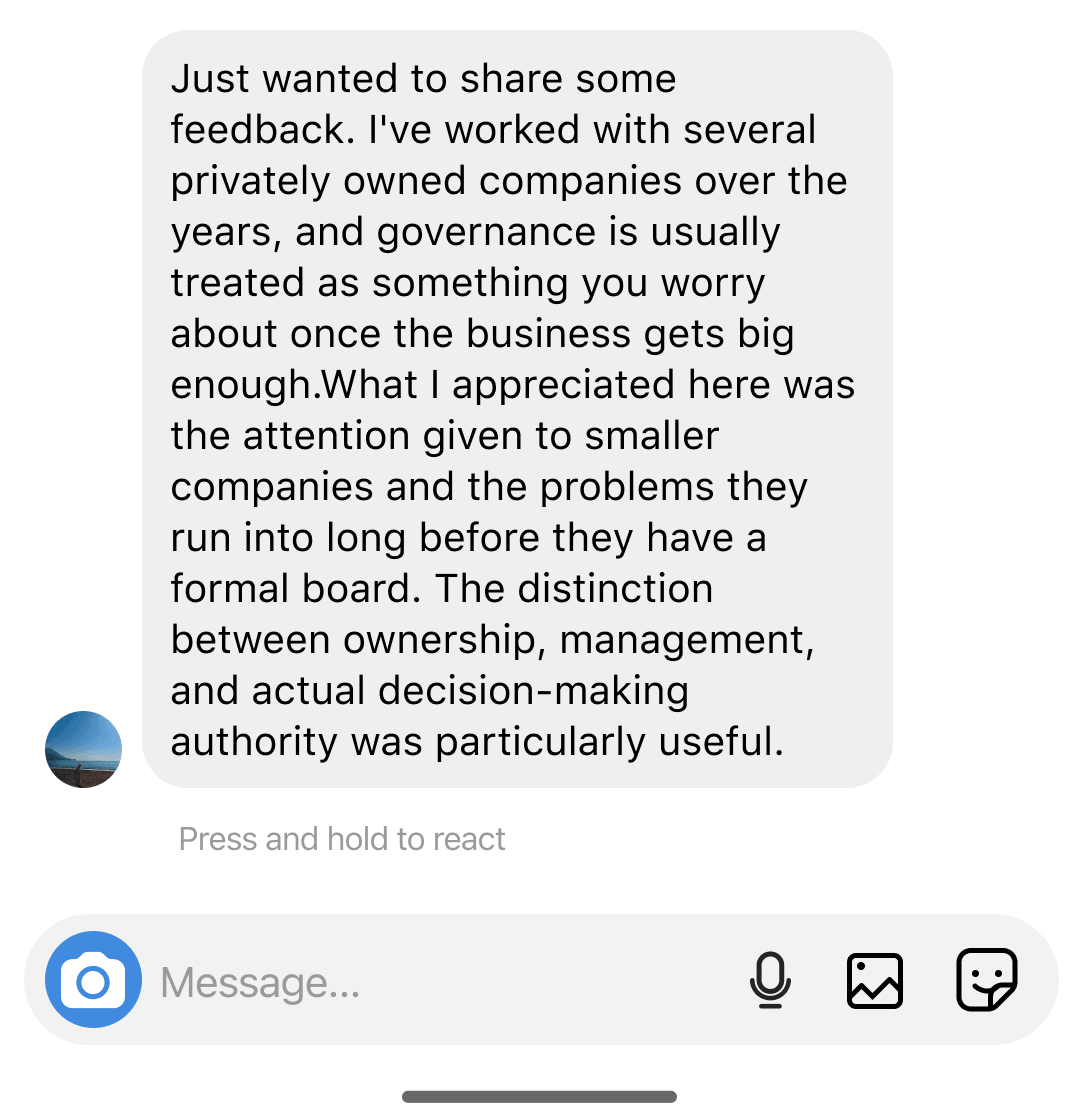
Testimonials

98.8%
Exeptional feedback from our readers





 Lowest Price Ever!